A River in the Sea
A single sail appears on the horizon. The court has been watching the ocean for months. Two hundred ships sailed west into the Atlantic. One has come back.
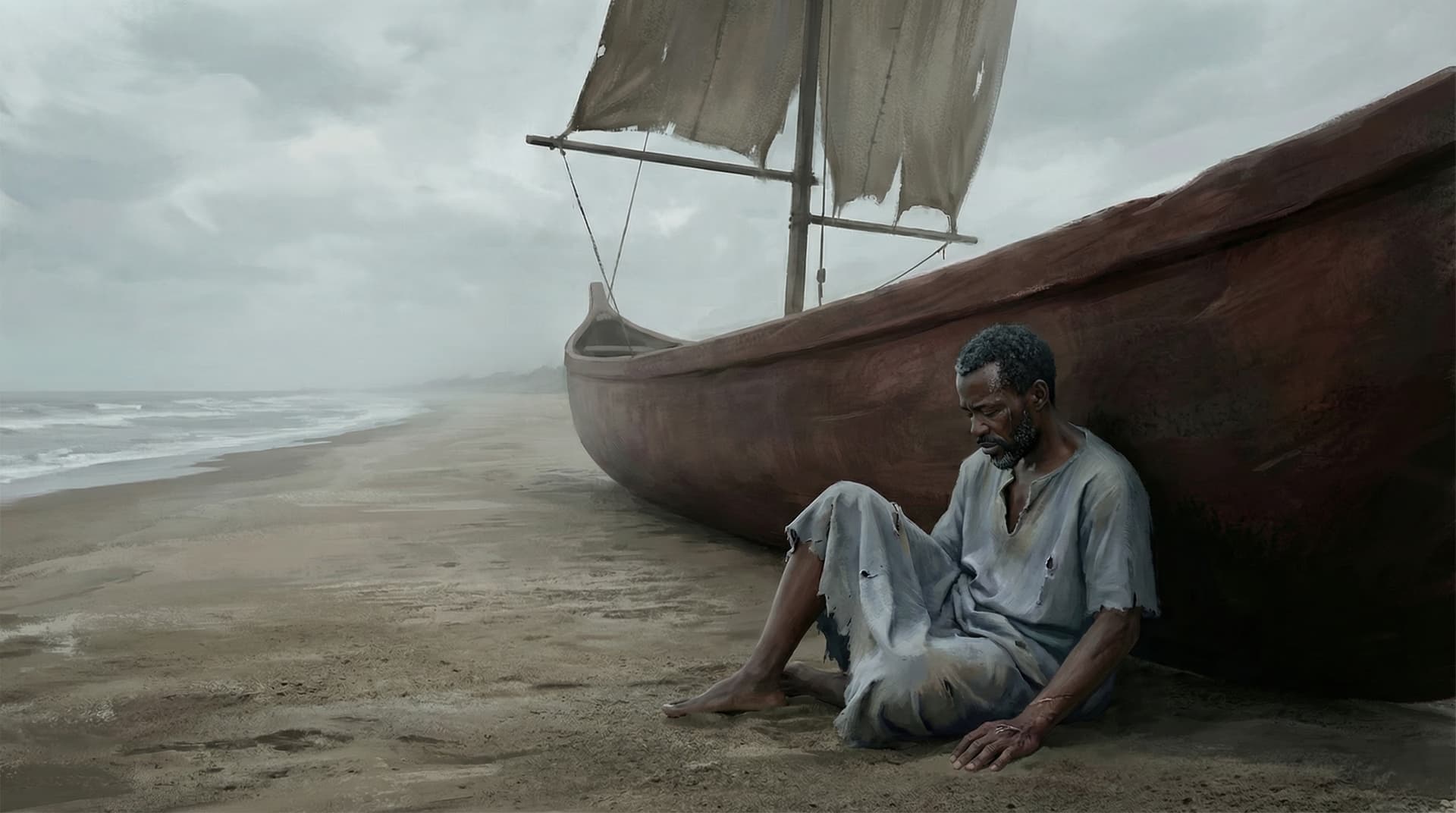
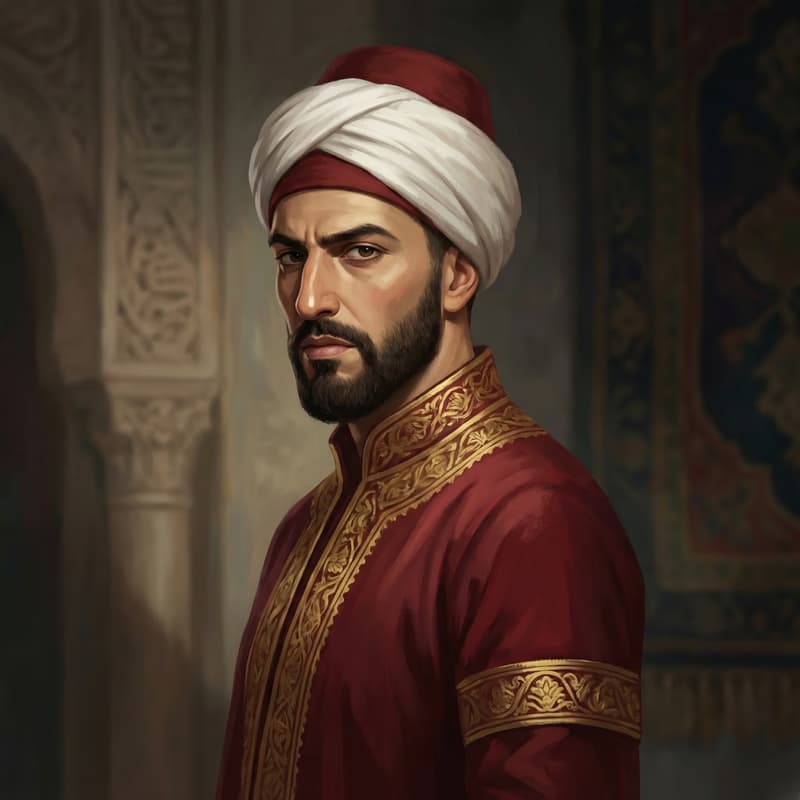
The captain who steps ashore is hollow-eyed and shaking. His robes hang loose on a body that has been eaten by weeks of salt and thirst. He was sent with two hundred ships. He returned with one. The court gathers around him in silence. No one asks where the others are. They can see the answer on his face.
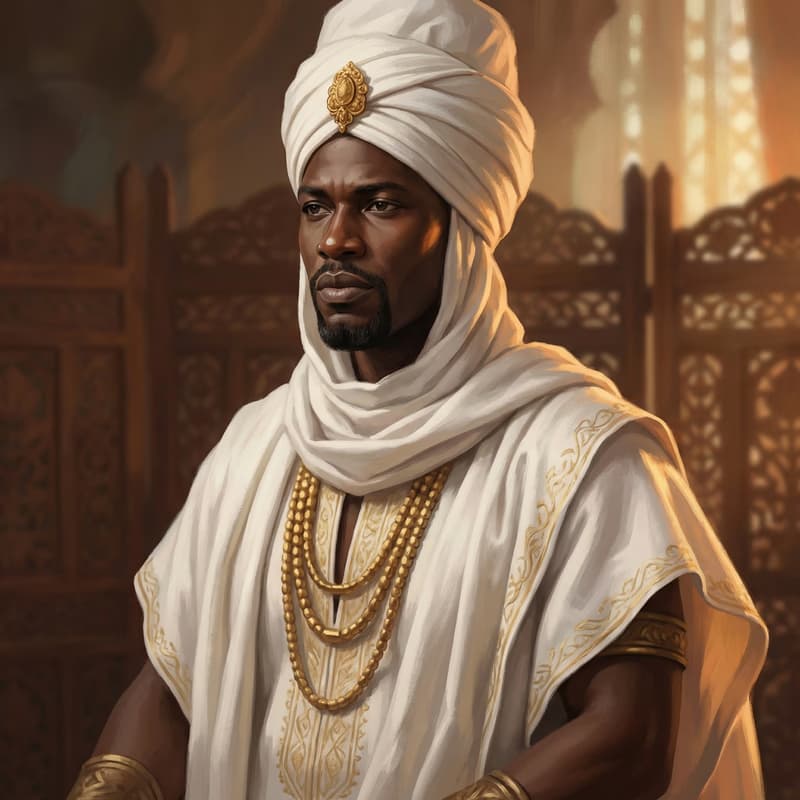
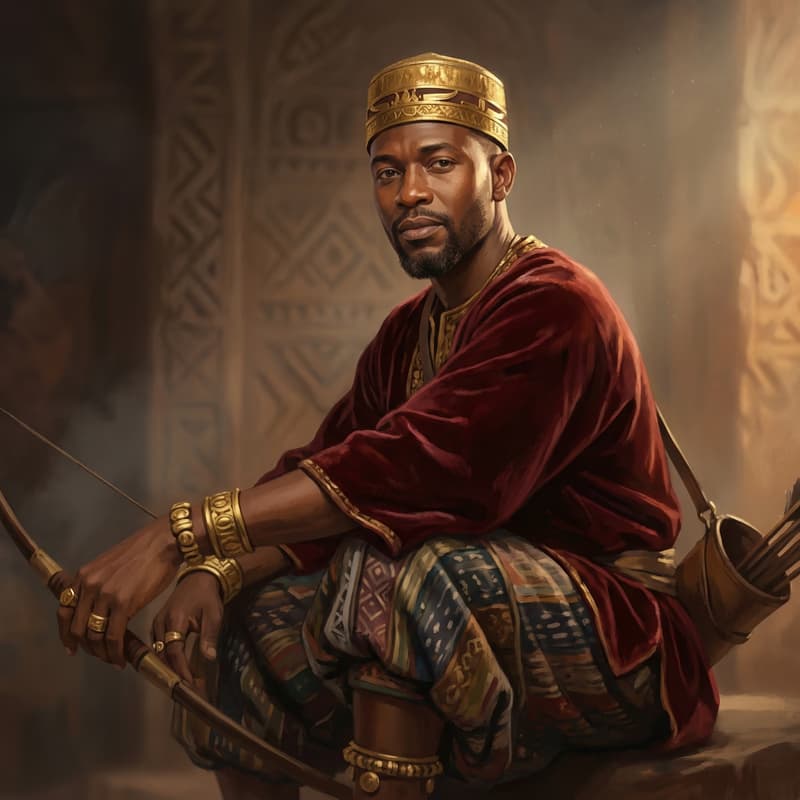
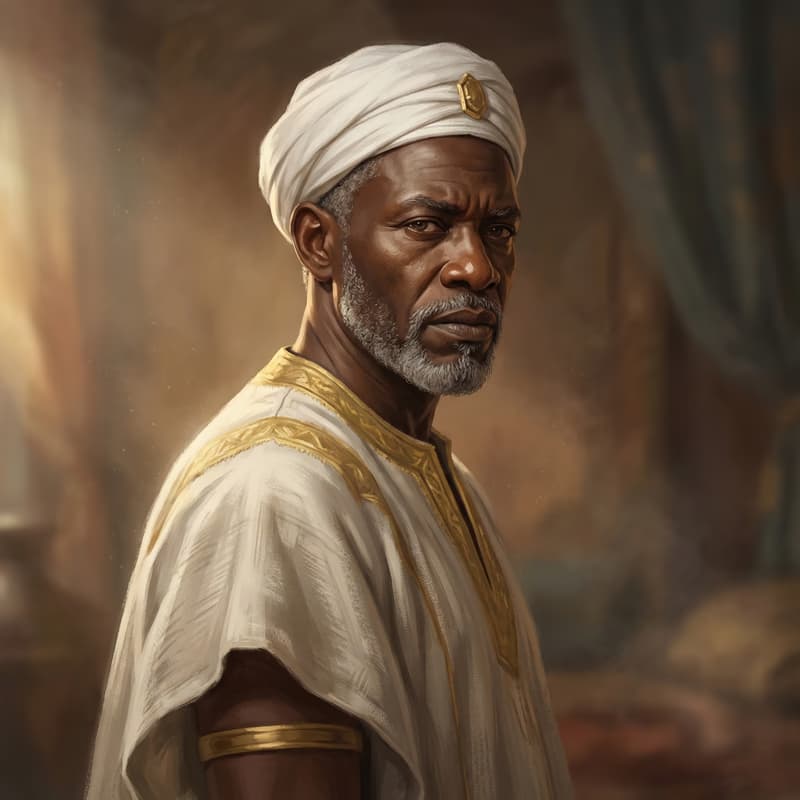
This is the Mali Empire in the early fourteenth century. The richest civilization on Earth. Its mines and trade routes produce nearly half the world's gold. Caravans cross the Sahara loaded with salt from the north and return with gold dust that kings from Cairo to Marrakech will kill for. The Mansa -- the emperor -- sits at the center of it all, surrounded by advisors, merchants, and griots who sing the dynasty's history from memory. He controls the rivers, the trade, the gold. He rules an empire founded by the great Sundiata Keita, so wealthy that its reputation has reached scholars in Damascus. He should have everything a man could want.
But there is one thing that gnaws at him. The Atlantic Ocean stretches west from his coast, vast and unknowable. And this Mansa -- this restless, vehement ruler -- does not believe it is impossible to find its end. He wishes to do so with every fiber of his being. The ocean taunts him. Every sunset drops below that western line, and every morning he wonders what lies beyond it.
So he equips two hundred ships filled with men, and another two hundred loaded with gold, water, and provisions to last years. He appoints a commander and gives him one order: "Do not return until you reach the end of it or your provisions and water give out."
The fleet sails west. The sails grow smaller against the horizon until they vanish entirely. The coast falls quiet. Months pass. The court waits.
Now the captain stands before the throne, the only man to come back. His voice is steady, but his eyes are not. He tells the Mansa what he saw out there, in the open Atlantic, far from any shore.
They sailed for a long time across open water. Then, in the middle of the ocean, they found something no one expected. A river. Not a river of land, but a vast, powerful current running through the ocean itself, pulling everything in its path westward with a force no oar or sail could resist. The ships that entered it were engulfed and never came back. One by one, the fleet was swallowed. Only the captain's ship, hanging at the edge, turned away in time.
One hundred and ninety-nine ships. Thousands of men. Swallowed by a river in the sea.
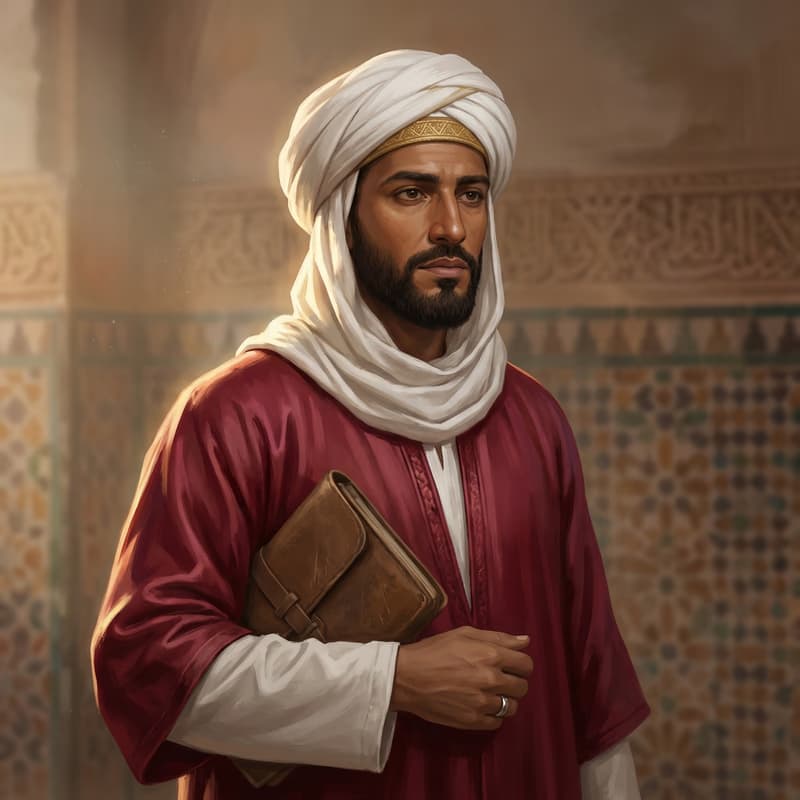
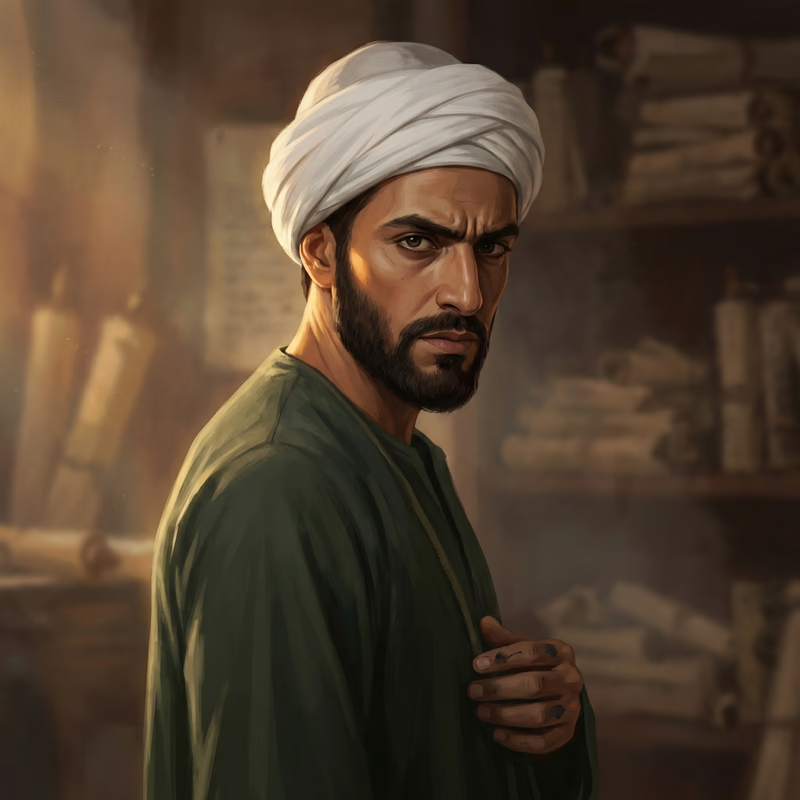
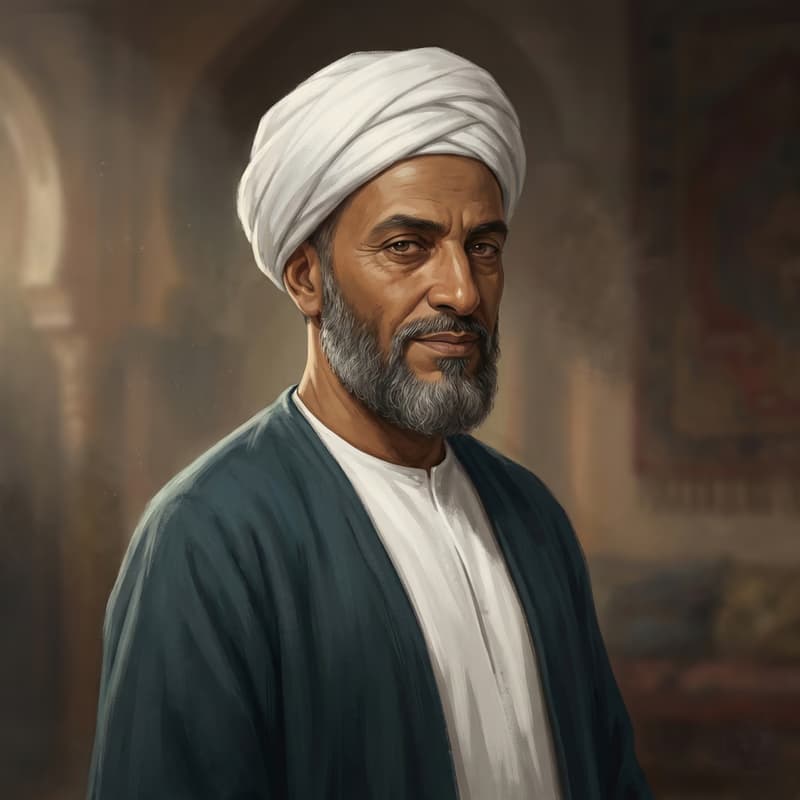
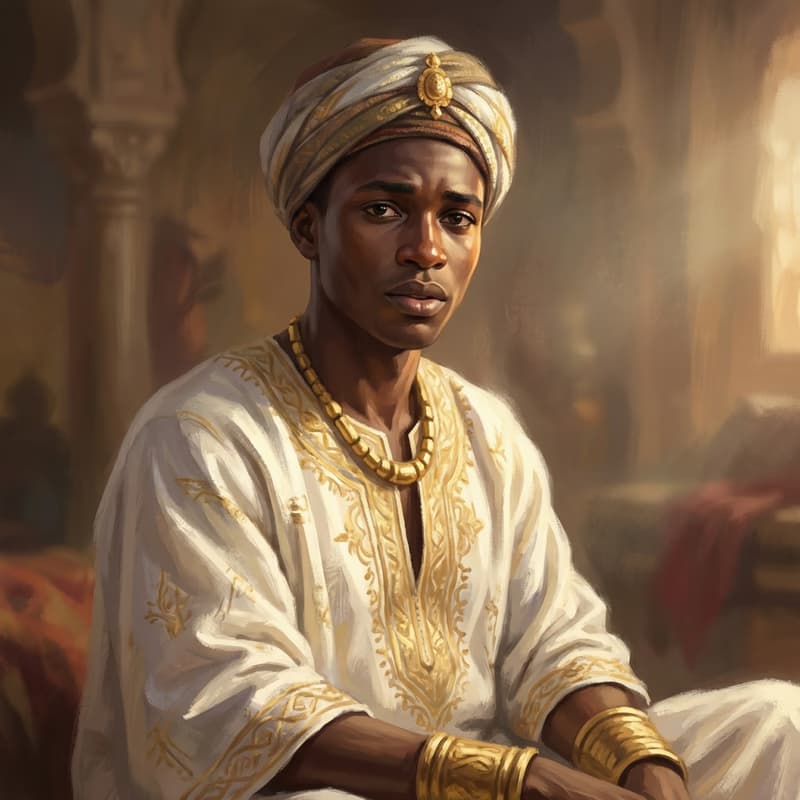
There is one man in the court who watches all of this without speaking. He did not volunteer for the voyage. He was not born to the throne. He was chosen for a different reason entirely -- competence, not bloodline. His name is Musa, and the quiet decision that keeps him onshore will reshape the world. But that is not yet clear to anyone. Right now, he is nobody. A capable man standing in the shadow of a king who is about to do something no one can stop.
The King Who Would Not Listen
What the Mansa does next defies all reason.
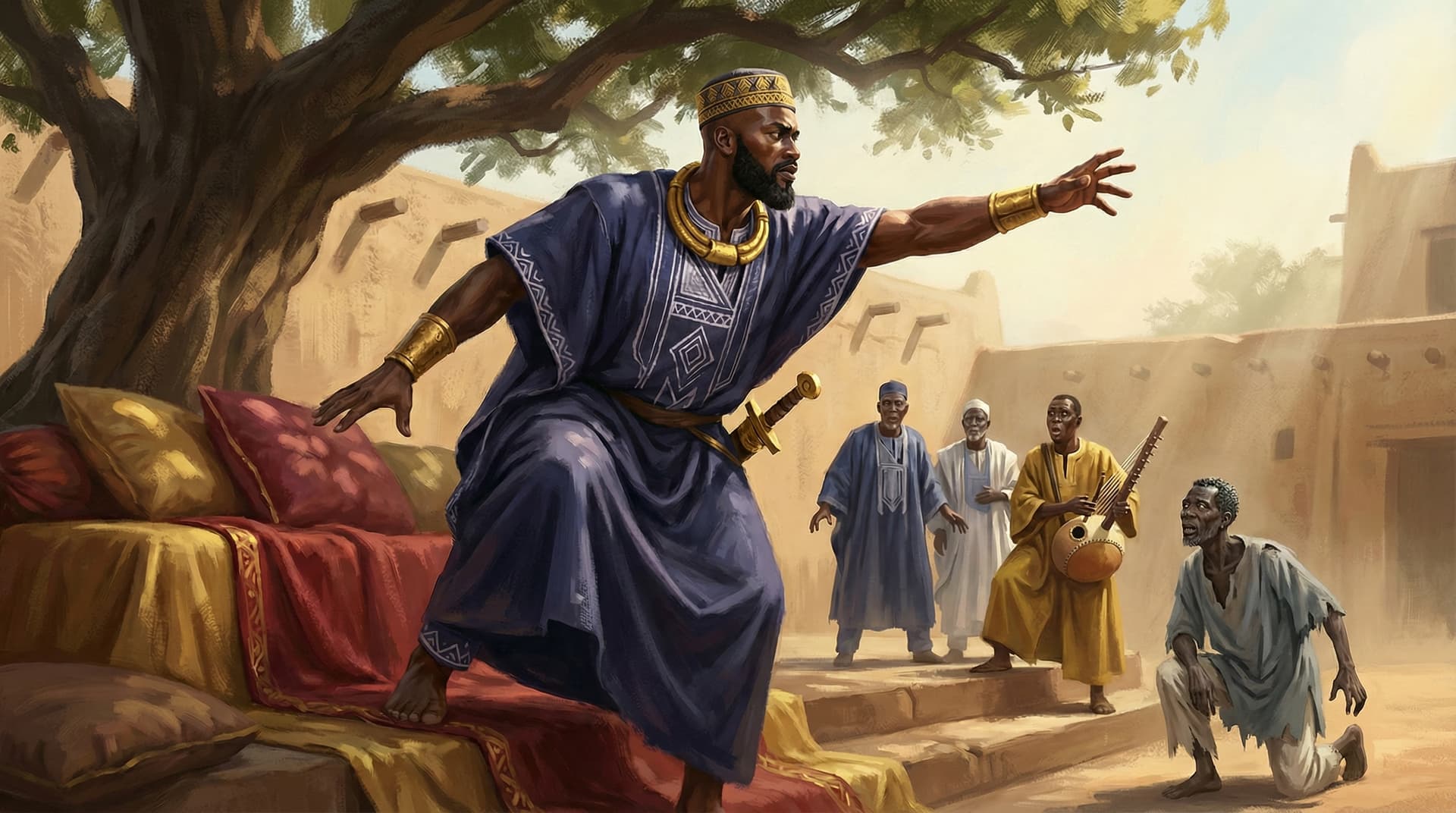
He does not mourn the dead. He does not order memorials or prayers for the thousands of men who vanished into the Atlantic. He hears the captain's account of a river in the sea that swallowed an entire fleet, and his response is not horror or grief or caution. It is hunger.
He wants to see this river for himself.
The captain has just described the annihilation of two hundred ships. The logical response is retreat. But this Mansa does not think in terms of limits. He thinks in terms of scale. If two hundred ships were not enough, the answer is simple: send more. Send ten times more. And this time, go yourself.
He orders the construction of two thousand ships. One thousand for men. One thousand for water and provisions. Ten times the fleet he just lost. The largest armada Africa has ever assembled. The shipyards along the coast work without rest. Timber is felled from the forests along the Niger. Hulls are shaped, keels are laid, sails are sewn from bolts of cotton. Gold dust is loaded into holds alongside grain and casks of fresh water. The coast transforms into a staging ground for something the world has never seen and will never see again.
Subscribe to Nightfall History on YouTube
Join our community on YouTube for more historical deep dives and visual storytelling
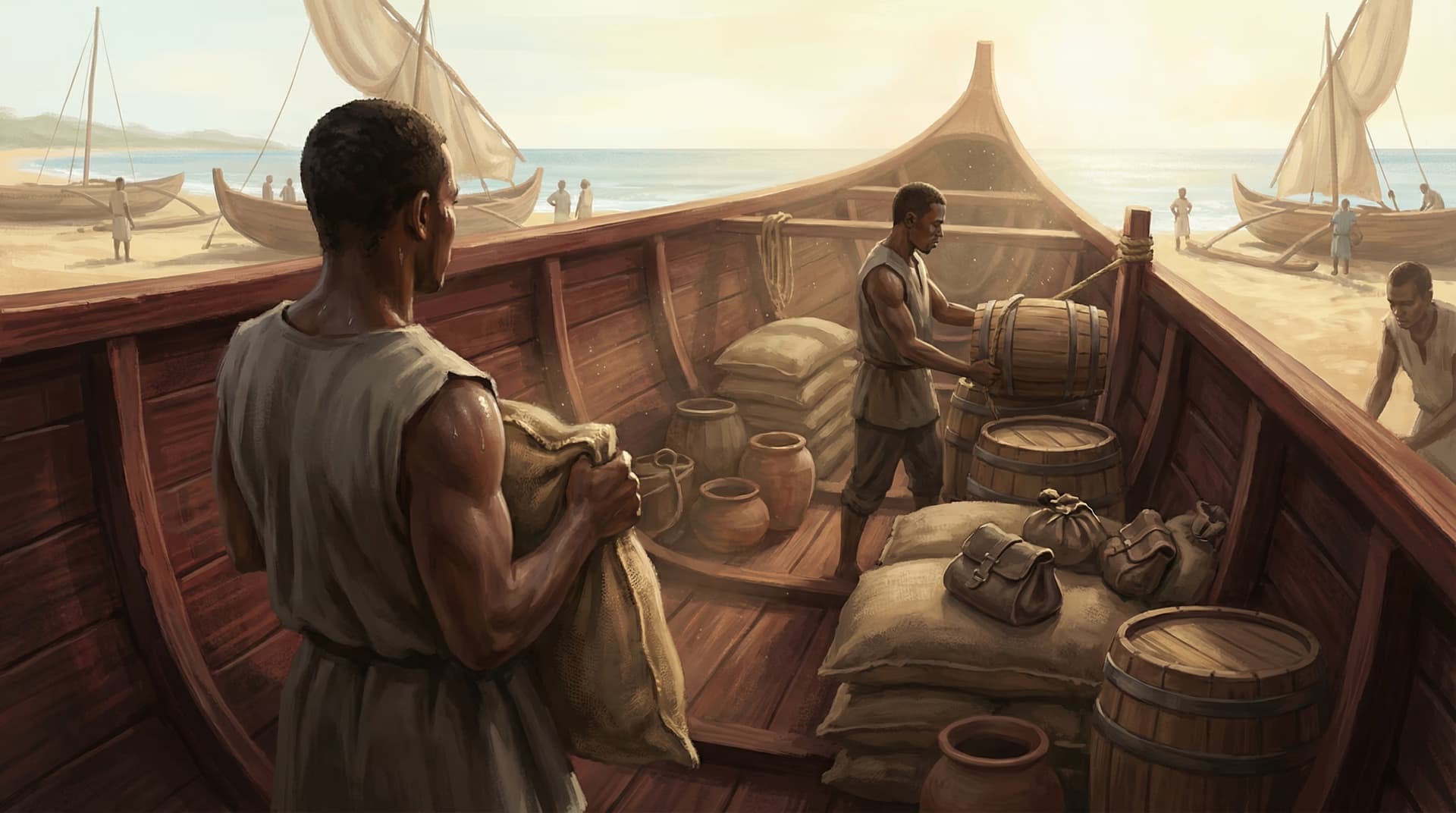
The court watches in disbelief. Their king is not just sending another expedition. He is going himself. The ruler of the richest empire on Earth is about to step off his throne, climb aboard a ship, and sail into the same waters that just consumed one hundred and ninety-nine vessels and every soul aboard them.
No one can stop him. No one tries. When a man who commands half the world's gold decides to chase the edge of the ocean, you do not argue. You watch. And you pray.
The Man Who Stayed Behind
Before he goes, the Mansa does one thing that will matter more than anything else he has ever done, though neither he nor anyone in the court knows it yet.
He appoints a deputy.
Not a prince. Not a blood heir from the royal line of Sundiata Keita. He chooses Musa -- a member of the court selected for no other reason than that he is capable. A man who has demonstrated the ability to administer, to judge, to maintain the machinery of an empire that runs on gold and salt. A man trusted with the richest empire on Earth because he is good at running things. Not a conqueror. Not a visionary. A steward.
The Mansa tells Musa to govern until he returns. Then he walks to the coast.
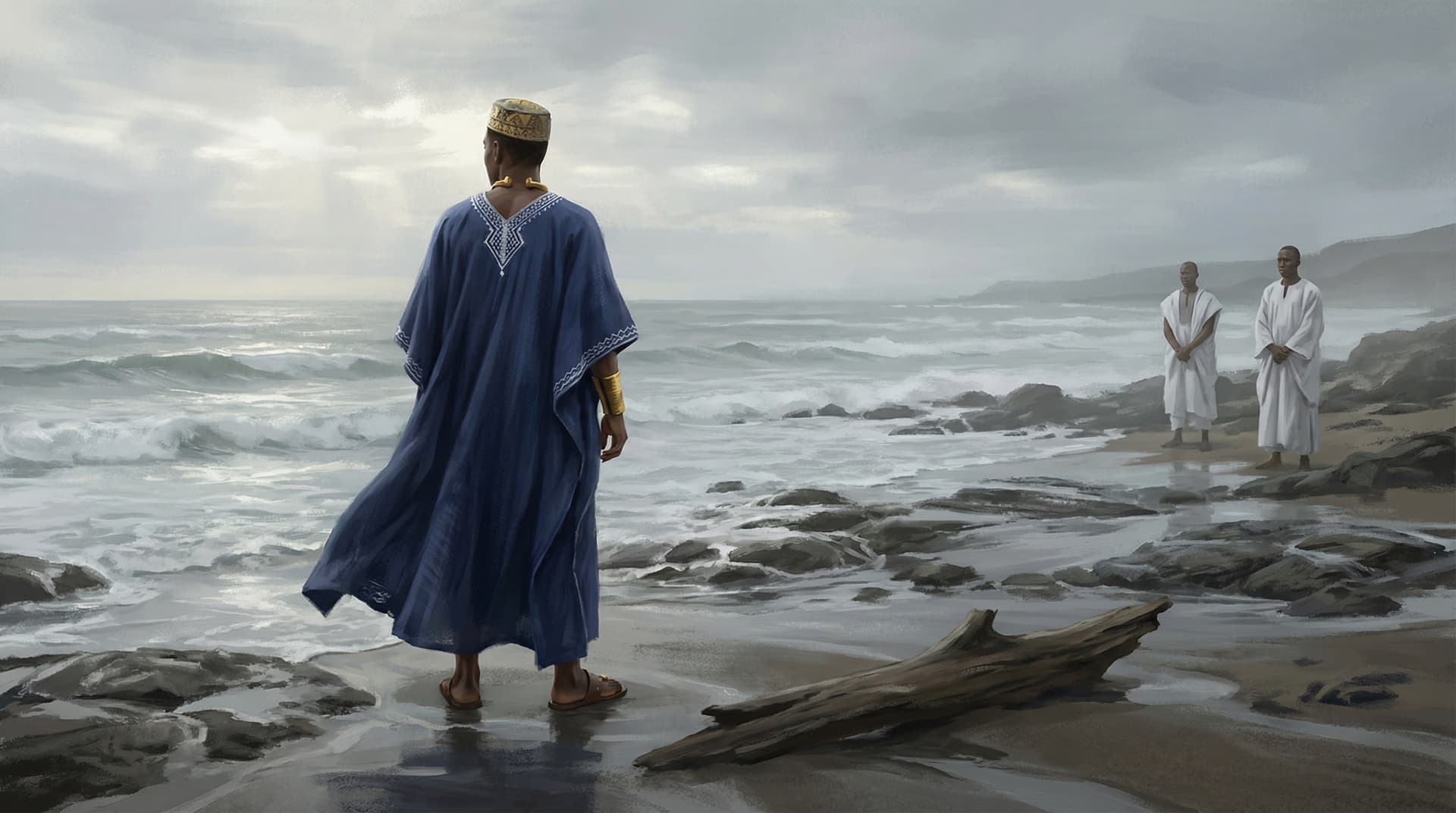
Two thousand sails catch the wind. The drums beat ship to ship, a heartbeat for the largest fleet Africa has ever launched. The sound rolls across the water like distant thunder. The Mansa stands among his men as the coastline shrinks, as the familiar browns and greens of the shore dissolve into the endless gray-blue of the Atlantic. The land disappears. The horizon swallows them. And then they are gone.
"He left me to deputize for him and embarked on the Atlantic Ocean with his men," Musa will say, years later, to officials in Cairo who have never seen wealth like his. "That was the last we saw of him and all those who were with him."
Weeks pass. Months. The court watches the horizon. Every morning, someone looks east toward the ocean. No sail appears. The waves roll in, empty and indifferent.
Musa governs. He keeps the trade routes open. He administers justice in the courts. He maintains the gold supply that feeds half the continent's economy. He manages the Saharan caravans and the river trade and the tribute from conquered peoples. But he is not the Mansa. He is a caretaker for a throne that is empty but not vacant. He cannot claim the crown -- the king might come back tomorrow, next month, next year. And so Musa waits, governing an empire that belongs to a man who might already be dead.
But the king does not come back.
Stay in the Loop
Get notified when new articles and videos drop. Unsubscribe anytime.
An Empire Without a King
The months stretch into years, and the silence from the Atlantic becomes its own answer. Two thousand ships and the king who sailed them have vanished as completely as if the ocean closed behind them like a door. No wreckage washes ashore. No survivor staggers out of the surf with a story to tell. The fleet simply ceased to exist.
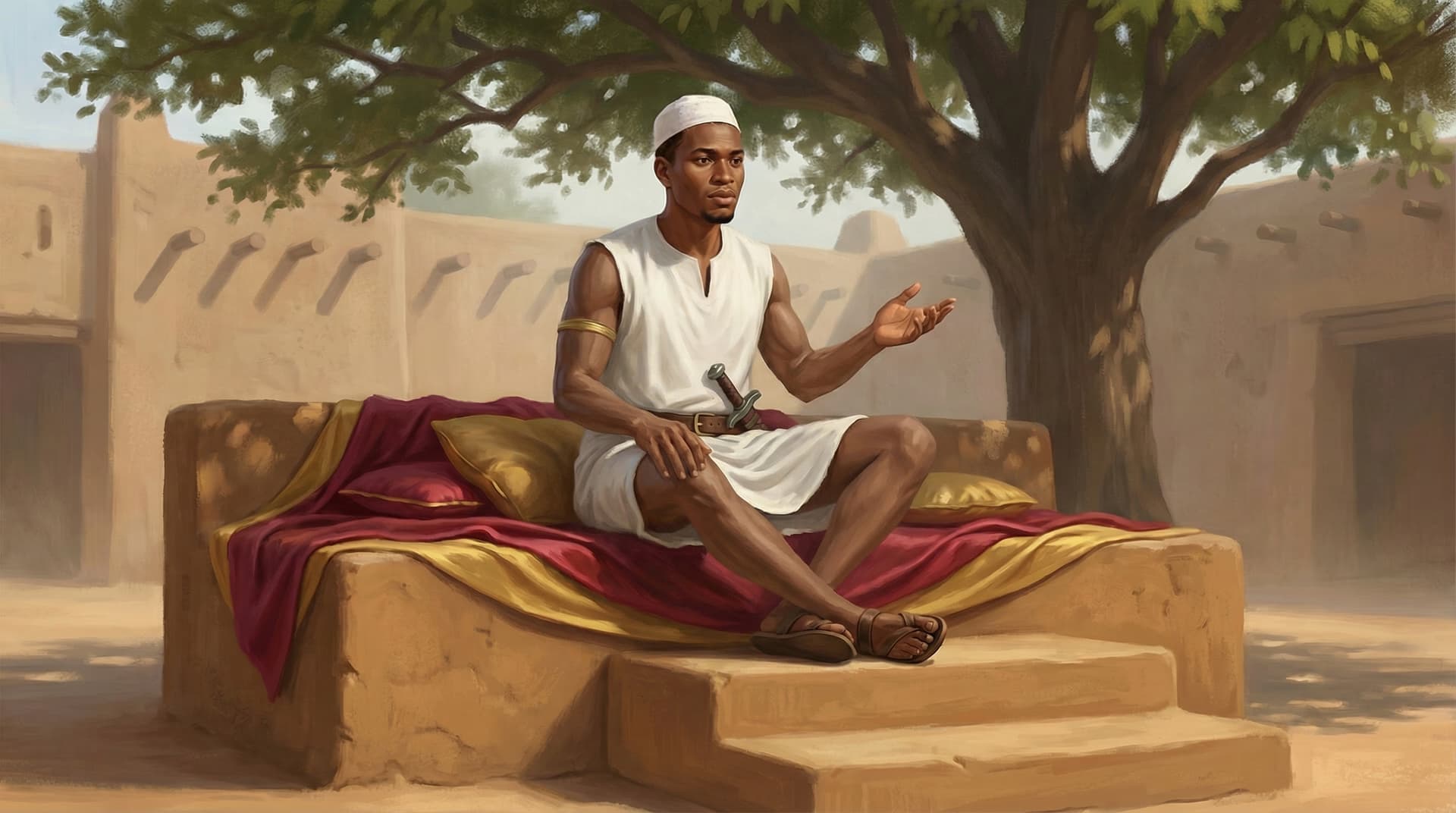
Musa holds the empire together. The gold still flows from the mines at Bambuk and Bure. The caravans still cross the Sahara. The courts still function, the griots still sing. But the political ground beneath Musa is unstable. The Keita dynasty has competing branches -- descendants of Sundiata's direct line and descendants of his brother Abu Bakr. Without a crowned Mansa, rival factions test the boundaries. They probe for weakness. They question the authority of a man who was appointed, not anointed.
Musa navigates these currents with the same quiet competence that put him in the deputy's seat in the first place. He does not flinch. He does not overreach. He governs not as a placeholder but as a leader. He makes decisions that a caretaker would avoid. He handles crises that a deputy has no authority to handle. And slowly, undeniably, the court recognizes something that Musa himself may not yet admit: he is not waiting for the king to return. He is becoming the king.
But here is the question that historians still cannot answer, and it is the question that makes this story dangerous.
What actually happened?
The entire account of the Atlantic expedition comes from one source. One. In 1324, twelve years after he took the throne, Mansa Musa arrived in Cairo on his hajj to Mecca. He was surrounded by sixty thousand people and carried eighteen tons of gold. He was, by any measure, the richest human being the Egyptian officials had ever encountered. And when they asked him how he came to rule, he told them this story. The ships. The river in the sea. The king who sailed west and never came back.
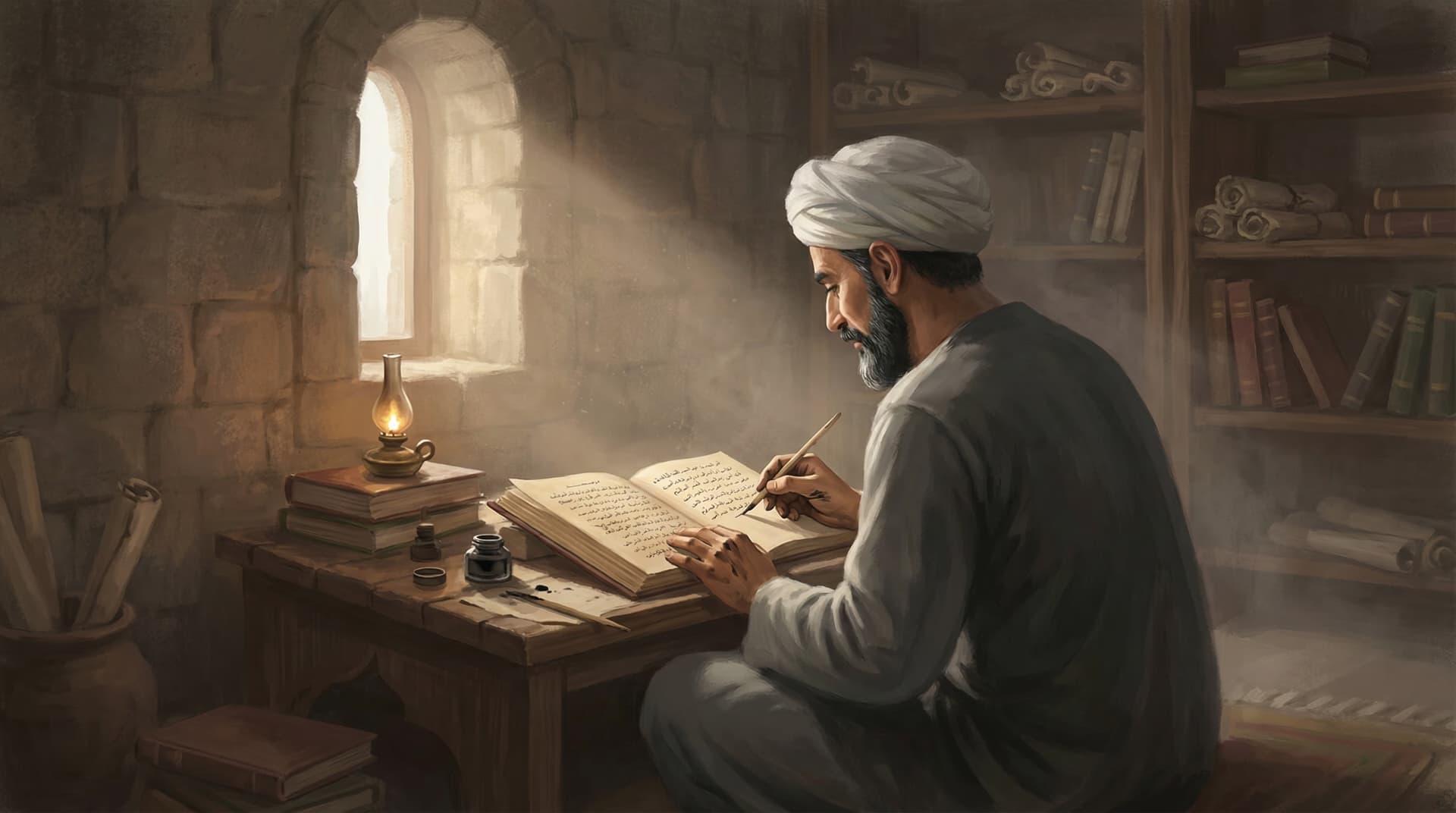
Al-Umari, the Syrian historian, wrote it down in his great work, the Masalik al-Absar. No other medieval Arab scholar mentions it. No West African oral tradition preserves it. No griot's song contains it. It exists in one account, told by the one man who benefited most from the predecessor's disappearance.
Did the Mansa really sail into the Atlantic? The Canary Current flows southwestward along the African coast, a vast and powerful oceanic river that could have carried a fleet far out to sea, possibly even across the ocean to the shores of South America. Some theorists argue that an African king reached the Americas nearly two hundred years before Columbus ever set sail. No definitive evidence has ever been found. No artifacts, no settlements, no DNA trail.
Or did Musa depose his predecessor and craft a story spectacular enough that no one would question it? A king consumed by obsession, swallowed by the sea -- it is the kind of story that silences doubt. It is too grand, too tragic, too strange to interrogate. You hear it and you marvel. You do not ask for proof.
The truth is somewhere in the Atlantic. It has been there for seven hundred years.
The Accidental King
Around 1312, the court accepts what the ocean has already decided. The Mansa is not coming back. Musa is crowned the ninth Mansa of the Mali Empire.
He inherits nearly half the world's gold supply. He inherits the Saharan trade routes that connect sub-Saharan Africa to the Mediterranean world. He inherits an empire that stretches from the Atlantic coast to the inland bend of the Niger River, a territory larger than Western Europe. He inherits the courts, the armies, the tribute systems, the scholars, the griots. He inherits a civilization.
And he inherits a mystery that will never be solved. Somewhere beneath the Atlantic -- or beyond it -- lies a king and two thousand ships. Did they drown in some nameless stretch of open water? Did they wash ashore on some unknown coast and build something that no one in Africa or Europe ever found? The ocean keeps its secrets. It kept them then. It keeps them now.
What is certain is this: a man who never sought the throne, who was chosen to hold it temporarily, who stayed behind while a king chased the impossible -- that man became the richest human being who ever lived. His wealth, in modern terms, would exceed four hundred billion dollars. He did not conquer it. He did not scheme for it. He did not steal it. He inherited it because a king looked at the ocean and could not look away.
Remember the man in the court who watched the captain's report without speaking -- the nobody, chosen for competence, standing in the shadow of a king? That man now sits on the throne. The quiet decision that kept him onshore did not just save his life. It gave him the world.
Some people chase the edge of the world. Others inherit it by standing still.
A captain once stood before this very throne, hollow-eyed and shaking, with the story of a river in the sea that swallowed one hundred and ninety-nine ships. The king who heard it sailed west and never came back. The man he left behind did not chase the ocean. He stayed.
But Musa did not just sit on that throne. He inherited half the world's gold -- and what he did with it would be remembered not as wisdom, not as conquest, but as a disaster that no one saw coming. Not even Musa himself.
The man who stayed behind was about to make a mistake so generous it would cripple nations.