- Known for
- Ruling Mamluk Egypt during its golden age and hosting Mansa Musa's 1324 visit to Cairo
- Fatal flaw
- A paranoia born of being deposed twice that led him to dismantle the very power structures his empire needed to survive without him
The Story
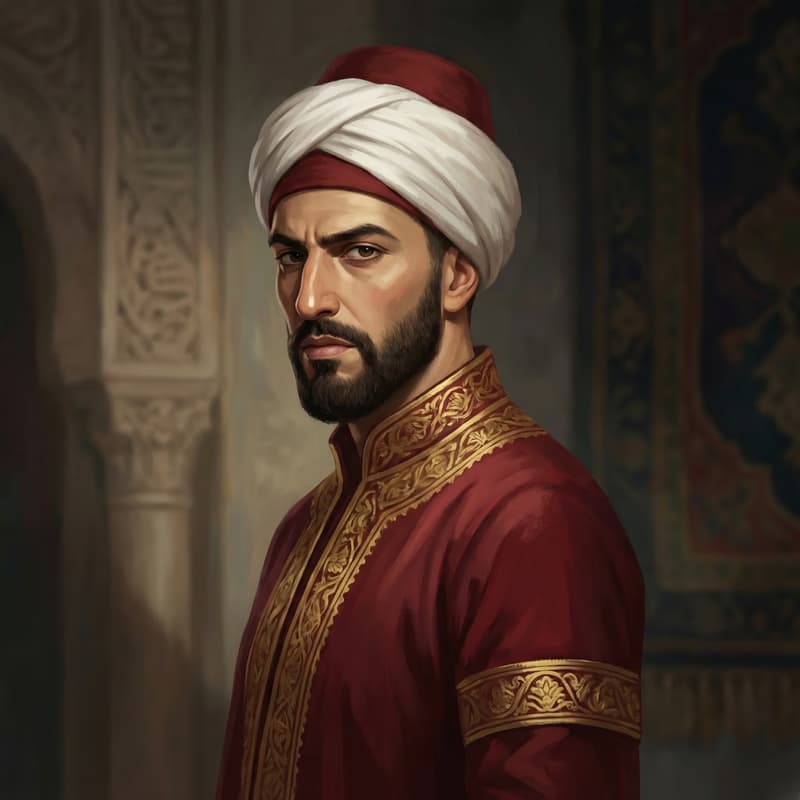
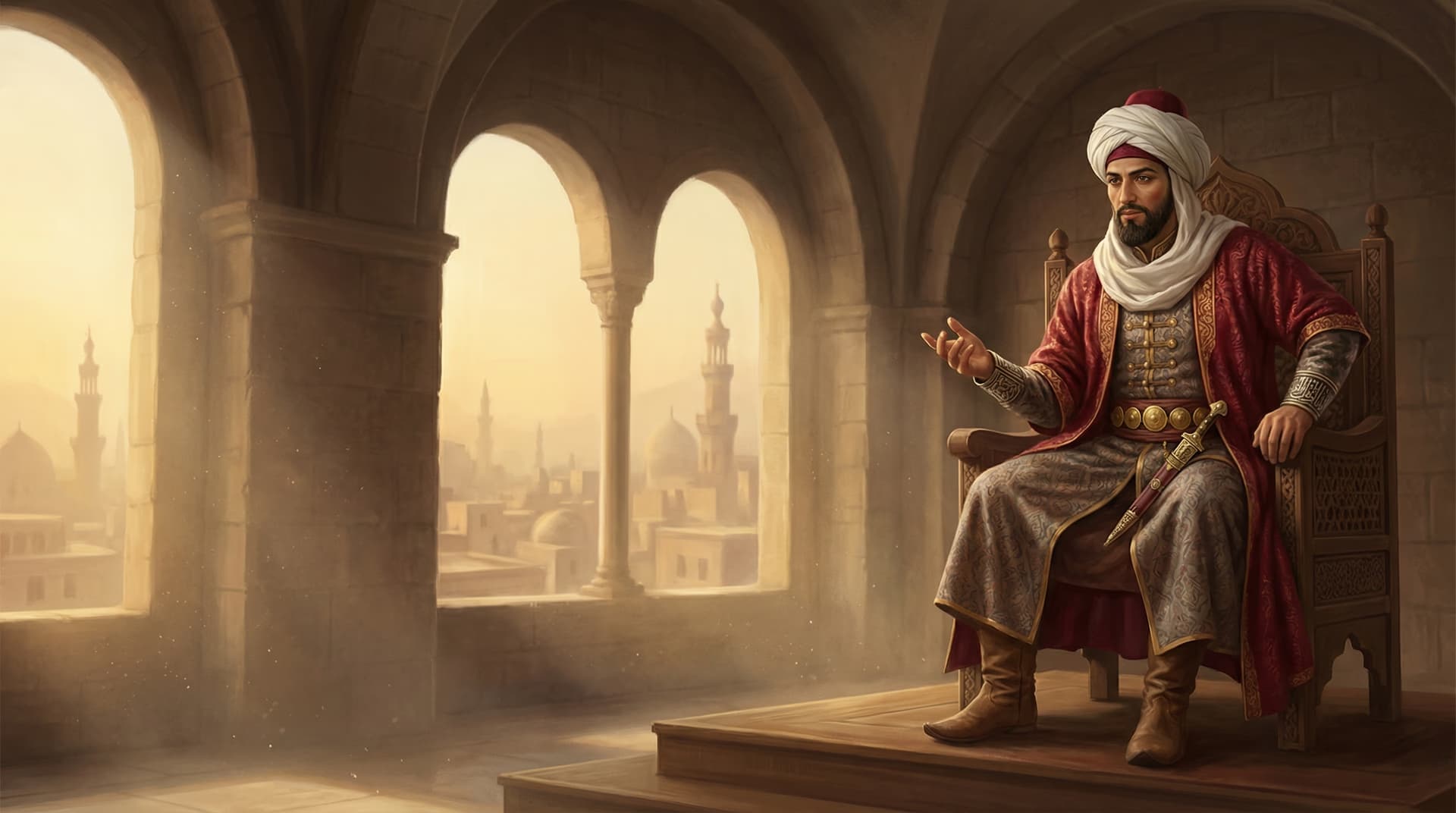
Al-Nasir Muhammad ibn Qalawun became sultan of Egypt for the first time at the age of eight. He was removed within a year. He became sultan a second time at fourteen. He was removed again within a decade, fleeing Cairo for the fortress of Kerak. He became sultan a third time at twenty-four. This time, no one removed him. He ruled for thirty-two years, the longest and most productive reign in Mamluk history.
He was born in 1285 at the Citadel of Cairo, the youngest son of Sultan Qalawun, a Kipchak Turk who had risen through the Mamluk system from enslaved warrior to ruler of Egypt. His mother, Ashlun, was the daughter of a Mongol notable. Al-Nasir grew up in a world where power was seized, not inherited, where the emirs who commanded the army could make or unmake sultans as easily as they changed horses.
His first two reigns were puppet shows. The boy sultan sat on the throne while strongmen, vice-sultans and senior emirs, ran the state. The lesson was not lost on him. When he returned to power in 1309, al-Nasir spent the next three decades systematically dismantling every institution that had been used to control him. He abolished the post of vice-sultan in 1314. He shuffled emirs, confiscated estates, and built a personal power base that answered only to him.
It worked. Under his third reign, the Mamluk Sultanate reached its peak. Cairo became the largest and most prosperous city in the Islamic world. Al-Nasir commissioned canals, mosques, madrasas, and public works on a pharaonic scale. He reopened the canal connecting Alexandria to the Nile. He received ambassadors from the Pope, the King of France, the Mongol Ilkhanate, and, in July 1324, a West African emperor no one in Cairo had ever heard of.
Personality & Motivations
Al-Nasir Muhammad was a survivor first and a builder second. The experience of being deposed twice as a child and teenager shaped everything that followed. He trusted no one with independent power. He controlled the emirs through a combination of generosity when they obeyed and ruthless confiscation when they did not. He was, by all accounts, an effective administrator who genuinely cared about public welfare, annulling taxes and surcharges that burdened commoners, while maintaining an iron grip on the military aristocracy.
His relationship with Mansa Musa reveals his diplomatic sophistication. When the West African emperor arrived in Cairo in 1324 with his staggering caravan, al-Nasir faced a protocol problem. Musa refused to kiss the ground before the sultan, saying he bowed only to God. A lesser ruler might have taken offense. Al-Nasir found a compromise, then treated Musa with extreme honor, providing lodging, gifts, and an audience, despite addressing him only through an interpreter even though Musa spoke Arabic. The sultan understood that the man flooding Cairo with gold was worth more as a friend than an enemy.
What Most People Get Wrong
Most accounts of Mansa Musa's visit to Cairo frame al-Nasir Muhammad as a passive host, merely the sultan who happened to be on the throne when the African emperor arrived. This undersells both the man and the moment. Al-Nasir was one of the most powerful rulers in the world in 1324, presiding over an empire that controlled Egypt, Syria, and the holy cities of Mecca and Medina. He did not need Musa's gold. He had his own.
What al-Nasir wanted was diplomatic recognition and trade relationships. The trans-Saharan gold trade flowed north through routes that Mali controlled. Al-Nasir's hospitality toward Musa was strategic, not merely courteous. By hosting the Malian emperor and facilitating his hajj, al-Nasir positioned Cairo as the essential waypoint between West Africa and the Arabian Peninsula, a role that would benefit Mamluk commerce for decades.
Key Moments
Cairo, 1293. Eight-year-old al-Nasir Muhammad is placed on the throne after his father Qalawun's death. He is a child in a system designed for warriors. The vice-sultan Kitbuqa and the senior emirs run the state. Within a year, Kitbuqa deposes the boy and takes the sultanate for himself. Al-Nasir learns the first lesson: the throne is not safe.
Cairo, 1299-1309. Al-Nasir is restored to the throne at fourteen but remains a figurehead under the control of the emir Baybars al-Jashnakir. For a decade, al-Nasir watches others exercise his power. In 1309, he abdicates and retreats to the fortress of Kerak in modern-day Jordan. It looks like surrender. It is a strategic withdrawal. From Kerak, he rallies loyal emirs and marches back to Cairo. Baybars flees and is later captured and executed. Al-Nasir takes the throne for the third and final time.
Cairo, 1314. Al-Nasir abolishes the post of vice-sultan, the office that had been used to control him during his first two reigns. He begins a systematic reshuffling of the Mamluk military elite, replacing potential rivals with men who owe their positions entirely to him. The move concentrates power in the sultan's hands to a degree unprecedented in Mamluk history.
Cairo, July 1324. Mansa Musa arrives at the outskirts of Cairo with his caravan of 60,000 people and 80 camels laden with gold. Al-Nasir invites him to court. Musa initially refuses to prostrate himself before the sultan, insisting he bows only to God. A diplomatic compromise is reached. Al-Nasir receives Musa with full honors, provides lodging, and facilitates his continuing journey to Mecca. Musa's spending in Cairo floods the gold market, depressing the exchange rate for over a decade.
Cairo, 1341. Al-Nasir Muhammad dies on June 7 at the age of fifty-six, after thirty-two years of uninterrupted rule. He has built mosques, canals, and madrasas. He has received ambassadors from across the known world. He has held the Mamluk Sultanate together through personal dominance. Within months, his sons begin fighting over the throne.
The Detail History Forgot
When Mansa Musa realized he had given away too much gold in Cairo, he turned to the city's money-lenders. The man who had crashed the gold market by flooding it with gifts now had to borrow at high interest rates to fund his journey to Mecca. Al-Nasir Muhammad watched this happen and did something quietly remarkable: he facilitated the loans. The sultan did not bail Musa out with a gift from the royal treasury. He let Cairo's financial system do the work, ensuring that Egyptian merchants would profit from Musa's return journey and that the relationship between Mali and Cairo would be built on debt as well as generosity. It was the move of a man who understood that commerce creates stronger bonds than charity.
The Downfall
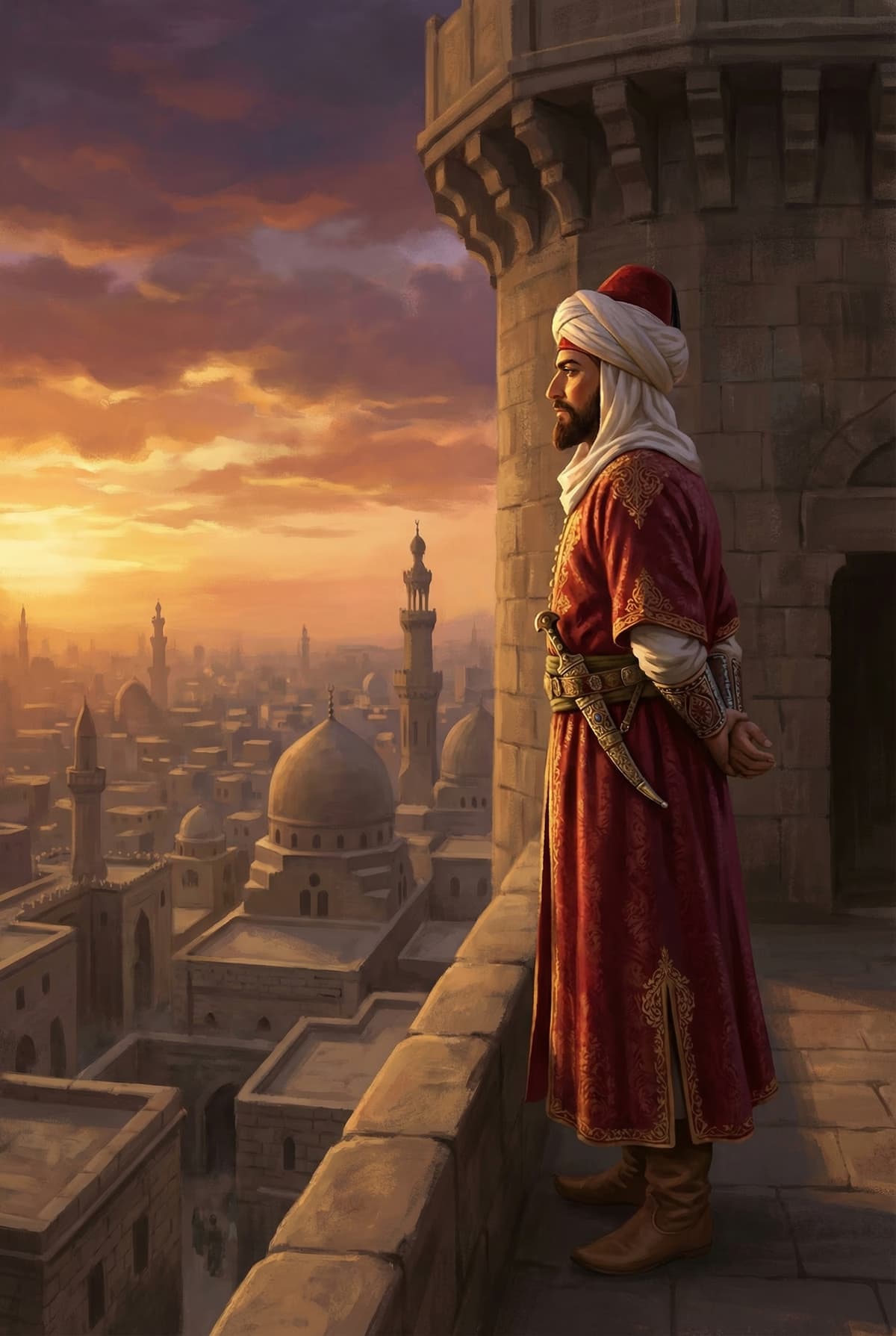
Al-Nasir Muhammad's fatal flaw was the mirror image of his greatest strength. He trusted no one, so he built a system that could not function without him. He had abolished the vice-sultanate, neutralized rival emirs, and concentrated all decision-making in his own hands. For thirty-two years, this worked brilliantly. For the thirty-two years after his death, it was a catastrophe.
He fathered numerous sons and made no clear provision for succession. When he died in 1341, the Mamluk system reverted to its natural state: ambitious generals fighting over a child sultan. Twelve of al-Nasir's sons and descendants would occupy the throne over the next four decades. Most were puppets. Some were murdered. The institutional structures that might have provided stability had been systematically dismantled by the very man who needed them to outlast him.
The parallel with Mansa Musa, whose empire also collapsed after his death for similar reasons, is striking. Both men were brilliant rulers who governed through personal authority rather than institutional design. Both left behind empires that could not survive the loss of an exceptional individual at the top. Al-Nasir Muhammad hosted Musa in Cairo and treated him with honor. Neither man solved the problem that would undo them both: how to make a kingdom last longer than a king.
Frequently Asked Questions
Al-Nasir Muhammad ibn Qalawun (1285-1341) was the ninth Mamluk sultan of Egypt, ruling three separate times: briefly as a child in 1293-1294, as a figurehead from 1299-1309, and finally in full command from 1309-1341. His third reign was the longest in Mamluk history and marked the peak of the sultanate's power and cultural achievement.
His father, Sultan Qalawun, was a Kipchak Turk who rose through the Mamluk system from enslaved warrior to ruler. His mother, Ashlun, was of Mongol descent. Al-Nasir was born into royalty but grew up in a system where power was taken by force, not inherited, leading to his removal from the throne twice before taking permanent control.
When Musa arrived in Cairo in July 1324, al-Nasir invited him to court. Musa initially refused to prostrate himself before the sultan, saying he bowed only to God. A diplomatic compromise was reached, and al-Nasir treated Musa with great honor. Musa's spending in Cairo subsequently crashed the gold market for over a decade.
Al-Nasir first became sultan at age eight after his father's death. He was too young to exercise real power, and senior emirs deposed him within a year. His second reign, starting at fourteen, was similarly controlled by powerful generals. He only took real command during his third reign at age twenty-four, after rallying loyal forces and marching back to Cairo.
Al-Nasir commissioned extensive public works including mosques, madrasas, canals, and public squares. His most notable projects included reopening the canal connecting Alexandria to the Nile (completed 1311), the Mosque of al-Nasir Muhammad at the Citadel, and numerous other structures that made Cairo one of the most magnificent cities in the medieval world.
Mansa Musa distributed enormous quantities of gold as gifts, tips, and purchases during his stay in Cairo. The sudden influx of gold into the market depressed its value. According to al-Umari, the exchange rate dropped from 25 silver dirhams per mithqal to less than 22 dirhams, and it took over twelve years to recover.
His three reigns totaled roughly 34 years, but his effective rule lasted 32 years during his third reign from 1309 to 1341. This was the longest continuous reign in Mamluk history. He was 56 years old when he died on June 7, 1341.
The sultanate descended into instability. Twelve of al-Nasir's sons and descendants occupied the throne over the following four decades, most as puppets of rival emirs. The concentration of power in the sultan's hands, which had worked during al-Nasir's lifetime, left no institutional mechanisms for orderly succession. The Bahri Mamluk dynasty never recovered its former stability.
By most accounts, yes. He annulled unjust taxes on commoners, commissioned major public works, maintained diplomatic relationships across the known world, and presided over a period of economic prosperity and cultural flourishing. His flaw was concentrating power so completely in his own person that the system collapsed without him.
His father Qalawun was a Kipchak Turk, part of the Turkic warrior class that formed the backbone of the Mamluk system. His mother Ashlun was the daughter of a Mongol notable. Al-Nasir Muhammad was thus of mixed Turkic-Mongol heritage, born into the military aristocracy that ruled Egypt from the mid-13th through the early 16th centuries.