- Known for
- Recapturing Jerusalem from the Crusaders in 1187
- Fatal flaw
- A generosity that emptied his treasury and a mercy that left enemies alive to fight again
The Story
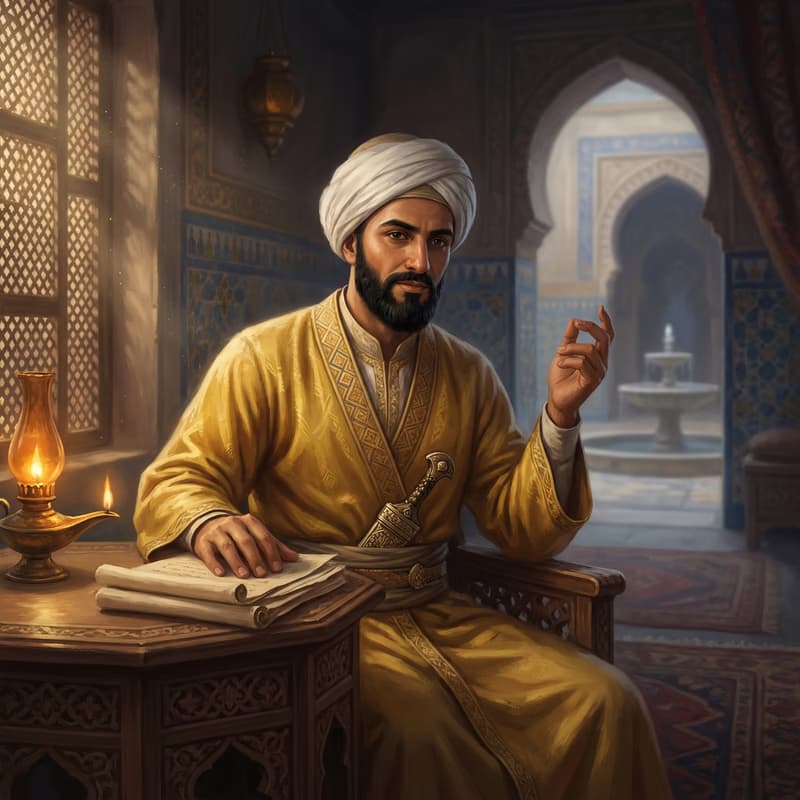
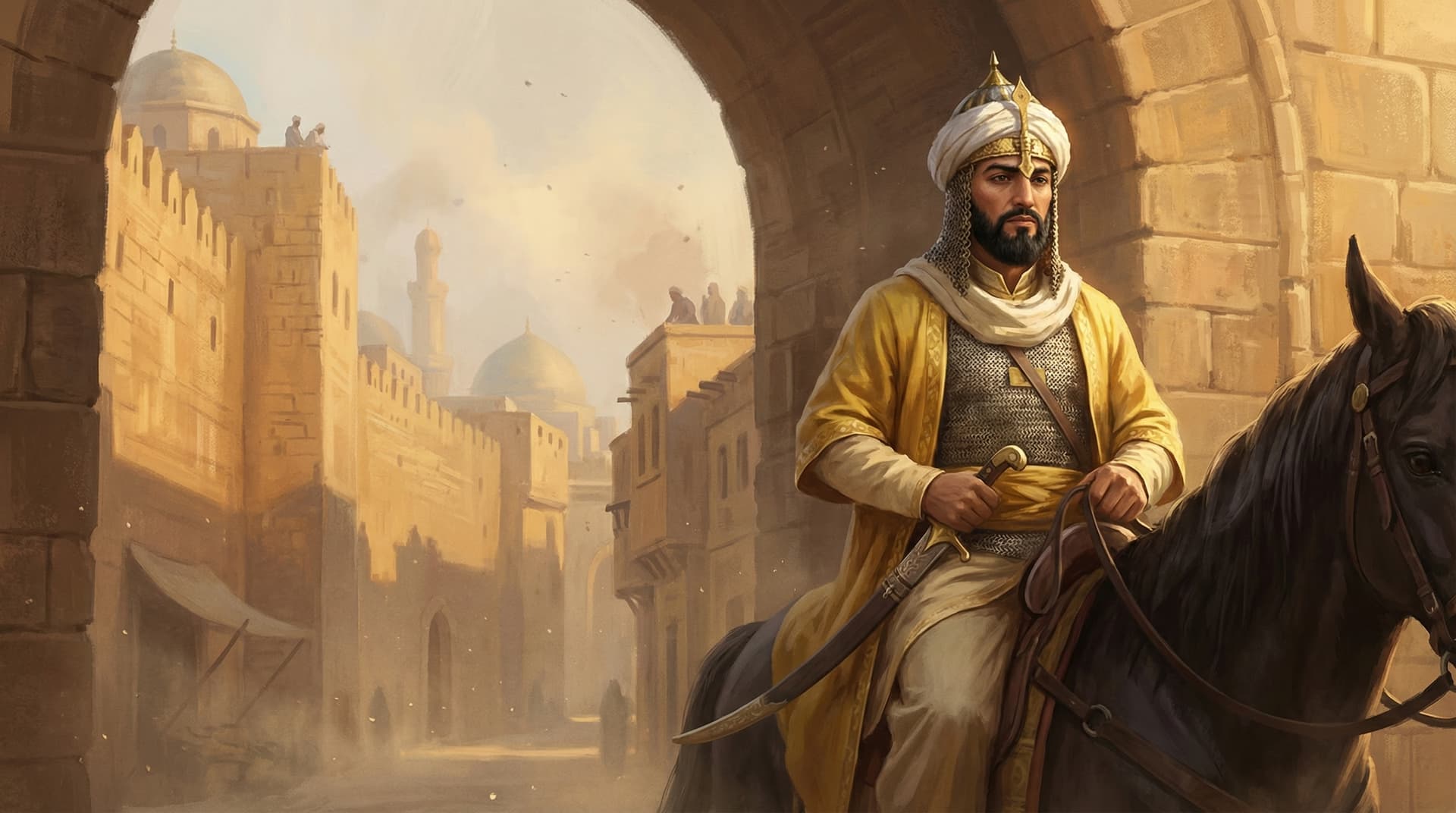
October 2, 1187. Saladin rides into Jerusalem. The city has been in Christian hands for eighty-eight years, taken in 1099 in a massacre so complete that the chroniclers wrote of blood running ankle-deep through the streets. Every Muslim and Jewish inhabitant had been slaughtered. Women, children, the elderly. None spared.
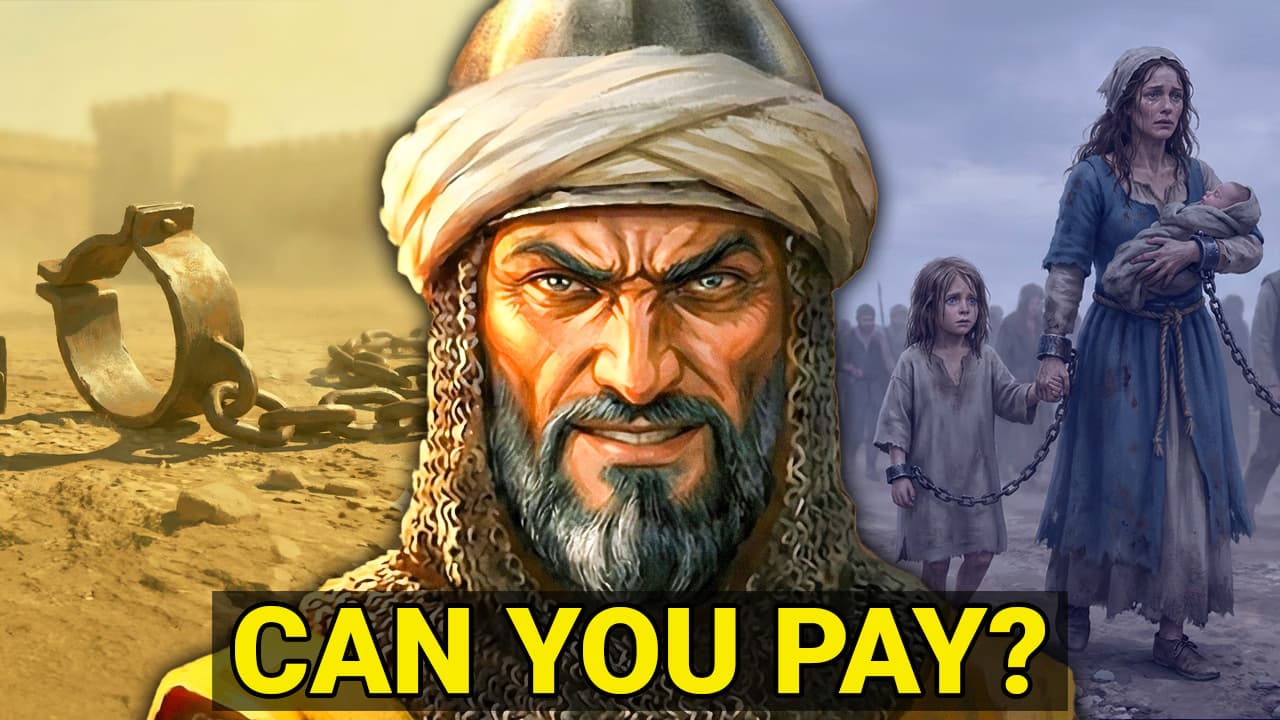
Saladin does not return the favor. He posts guards at every church. He forbids looting. He allows the Frankish inhabitants to ransom themselves for ten dinars per man, five per woman, one per child. Those who cannot pay, and there are thousands, he releases anyway. His brother al-Adil asks for a thousand slaves from among the prisoners. Saladin grants it. Al-Adil frees them all.
The man who took Jerusalem without a massacre was born Yusuf ibn Ayyub in Tikrit, in modern-day Iraq, around 1137. His family was Kurdish, not Arab, a distinction that mattered in the politics of the Islamic world. His father Najm ad-Din Ayyub served the Turkish warlord Zengi, and later Zengi's son Nur ad-Din, the great atabeg of Damascus and Aleppo. Young Yusuf grew up in the courts of powerful men, watching how empires were assembled and how they fell apart.
He did not seem destined for greatness. His early career was spent in the shadow of his uncle Shirkuh, a squat, one-eyed general who served Nur ad-Din. When Nur ad-Din sent Shirkuh to Egypt to prevent the Crusaders from seizing the Fatimid Caliphate, the young Saladin went along reluctantly. He later said that he went to Egypt "like one who is led to his death." Within three campaigns, Shirkuh had taken Egypt. Within weeks of that victory, Shirkuh was dead, choked by his own appetite at a celebratory feast. Saladin, aged thirty-one, was suddenly vizier of Egypt.
He did not waste the opportunity. He abolished the Shi'a Fatimid Caliphate, returned Egypt to Sunni allegiance, and began building an army. When Nur ad-Din died in 1174, Saladin moved north, took Damascus, and over the next twelve years systematically unified Syria, northern Mesopotamia, and Egypt under his personal rule. He did this through a combination of warfare, marriage alliances, and a talent for making submission look like partnership.
The Crusaders watched it happen and understood what it meant. For the first time since the First Crusade, a single Muslim ruler controlled the territory on every side of the Crusader states. The fragmented Islamic response that had allowed the Crusaders to survive for nearly a century was over.
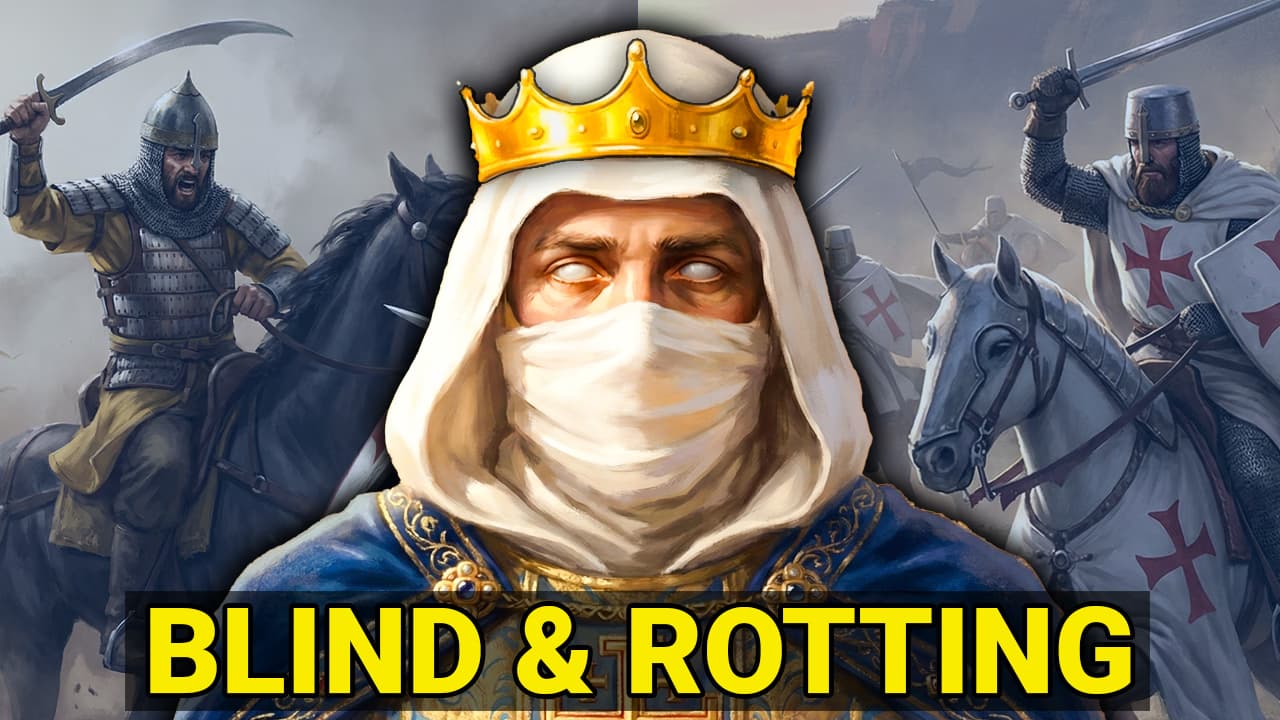
Saladin's first major assault on the Crusaders ended in humiliation. At Montgisard in 1177, a sixteen-year-old leper king named Baldwin IV led 375 knights into Saladin's army of 26,000 and destroyed it. Saladin fled on a racing camel. It was the worst defeat of his career, and he spent the next decade making sure it would never happen again.
He waited. He built. When Baldwin IV died in 1185 and the kingdom fell into the hands of Guy de Lusignan, a man Saladin rightly judged to be a fool, he struck. At the Battle of Hattin on July 4, 1187, he lured the entire Crusader field army into waterless terrain and annihilated it. He captured Guy, the True Cross, and virtually every knight in the kingdom. He personally executed Raynald of Chatillon, a man who had raided Muslim caravans, threatened Mecca, and broken every truce Saladin had offered.
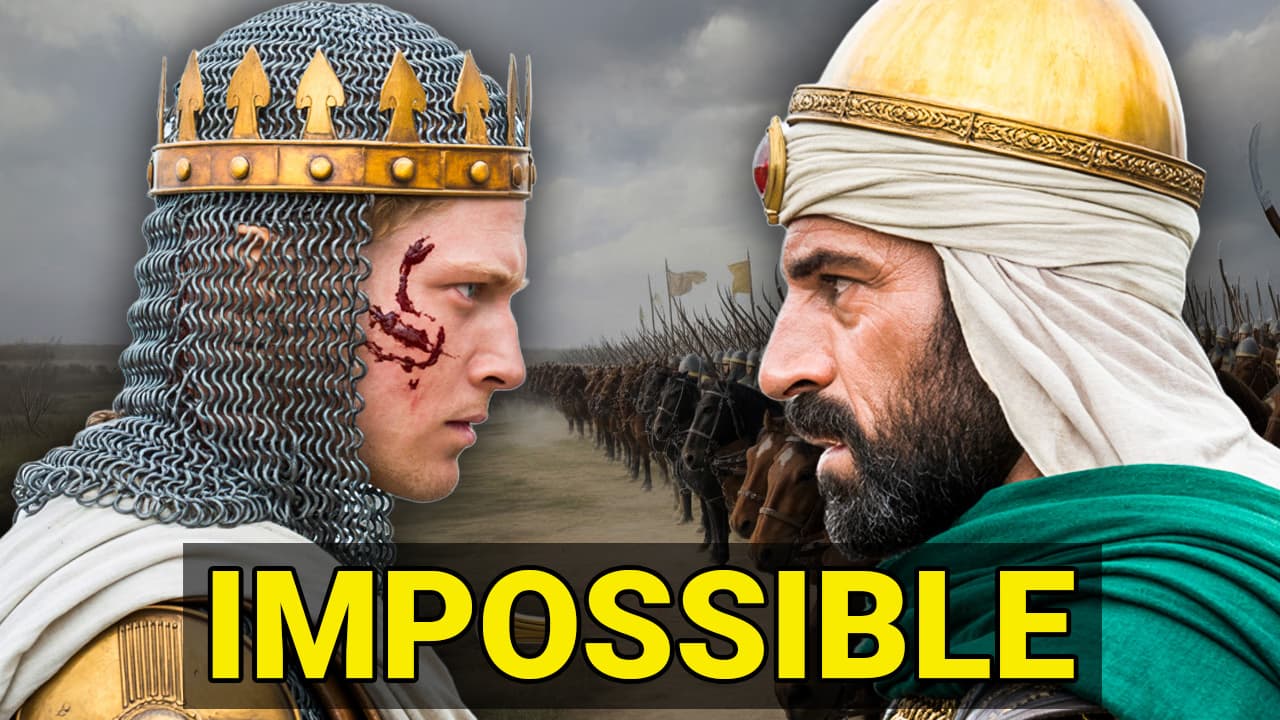
Jerusalem fell three months later. Then the Third Crusade arrived: Richard the Lionheart, Philip Augustus of France, and the combined might of Western Europe. For two years, Saladin fought Richard to a standstill. Neither could deliver a decisive blow. They agreed to a truce in September 1192 that left the Crusaders holding the coast and Saladin holding Jerusalem.
Six months later, Saladin was dead. He died in Damascus on March 4, 1193, aged fifty-five. When they opened his treasury, they found forty-seven dirhams and a single gold piece. He had given everything else away.
Personality & Motivations
Saladin was driven by jihad, not in the modern distorted sense, but in the medieval understanding: the duty to unite the Muslim world and recover Jerusalem. It was simultaneously a religious conviction and a political program. Unifying the fractured Islamic states required a cause larger than any individual ambition, and the recovery of Jerusalem provided it. Saladin used jihad the way a modern leader uses a national narrative, to justify the wars of consolidation that made the holy war possible.
But the generosity was real. He gave away money compulsively: to soldiers, to widows, to random petitioners who appeared at his court. He released prisoners when strategic logic demanded their execution. He sent his personal physician to Richard the Lionheart when the English king fell ill. His enemies praised him, which is not something that happens to rulers who are merely performing virtue.
He was also pragmatic in ways that idealists rarely are. He could be ruthless when the situation required it. He executed Raynald of Chatillon personally. He ordered the mass execution of captured Templars and Hospitallers after Hattin, the military orders who had sworn never to accept ransom and who would fight again if released. He was merciful by choice, not by weakness, and the moments when he chose violence were calculated to demonstrate that his mercy was a decision, not an inability.
What Most People Get Wrong
Most people assume Saladin was an Arab. He was Kurdish. Born in Tikrit to the Ayyubid family, an ethnic Kurdish clan from the region around Dvin in Armenia. His family spoke Kurdish and served Turkish overlords. In the ethnic hierarchy of the 12th-century Islamic world, Kurds ranked below both Arabs and Turks. Saladin's rise to supreme power was, among other things, a story of a man from a marginalized ethnic group outmaneuvering the established order.
This matters because the Arab and Turkish emirs he conquered never fully accepted him. His empire was held together by personal loyalty, military success, and constant gift-giving, not by the institutional structures that might have survived his death. When he died, the Ayyubid successor states immediately began fighting each other. The Kurdish outsider had unified the Muslim world through force of personality. Without that personality, the unity evaporated.
Key Moments
Egypt, 1169. Saladin's uncle Shirkuh dies suddenly after conquering Egypt, and the reluctant young officer finds himself vizier of the richest country in the Muslim world. He is thirty-one, unknown, and surrounded by a hostile Fatimid court. Within two years, he will abolish the Fatimid Caliphate, take personal control of Egypt, and begin building the army that will change the Middle East.
Montgisard, November 25, 1177. Saladin's worst day. He invades the Kingdom of Jerusalem with 26,000 men, splits his forces to raid the coastal plain, and is caught by Baldwin IV's desperate charge near Montgisard. The Templar cavalry under Odo de St Amand smashes into his bodyguard. Saladin's army disintegrates. He escapes on a racing camel into the Sinai, losing the bulk of his army to pursuit and thirst. He will spend a decade rebuilding.
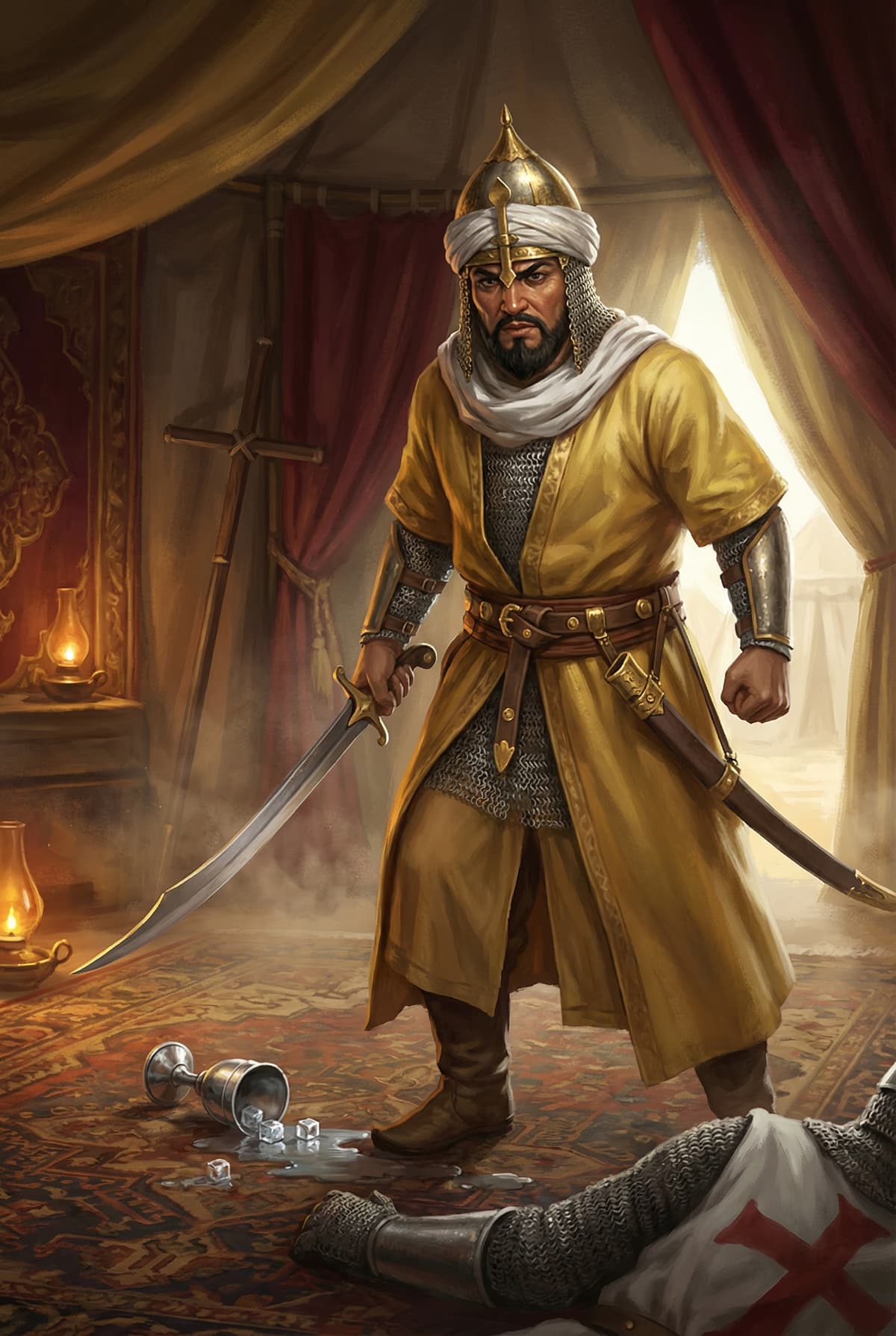
Hattin, July 4, 1187. The masterpiece. Saladin lures the Crusader army away from its water sources in the summer heat. By morning, the Frankish knights are staggering with thirst. Saladin's horse archers circle and fire. The infantry breaks. The True Cross is captured. King Guy is brought to Saladin's tent, where the sultan gives him a cup of iced water, a gesture of mercy under Islamic law. He then turns to Raynald of Chatillon and strikes him with his sword. The guards finish the execution.
Jerusalem, October 2, 1187. Saladin takes the city after a brief siege. Balian of Ibelin negotiates the surrender. Saladin allows the population to ransom themselves and posts guards to prevent looting. The contrast with the 1099 massacre is deliberate and total. Saladin washes the Dome of the Rock with rosewater and restores it to Muslim worship. The Al-Aqsa Mosque, used by the Templars as a stable, is purified.
Arsuf, September 7, 1191. Richard the Lionheart's Crusader column marches south along the coast. Saladin's horse archers harass them for days. At Arsuf, Richard's knights charge in a disciplined counter-attack that drives Saladin's forces from the field. It is not a catastrophe like Montgisard (Saladin retreats in order) but it proves that the Third Crusade cannot be defeated by Hattin-style tactics. The two-year stalemate begins.
Damascus, March 4, 1193. Saladin dies of a fever at fifty-five. His physician reports that his body is worn out from decades of campaigning, stress, and illness. His treasury contains forty-seven dirhams and one piece of Tyrian gold. He has given everything else away. He is buried in a simple tomb beside the Umayyad Mosque. No pyramid, no mausoleum. The man who conquered Jerusalem could not afford his own funeral.
The Detail History Forgot
During the Third Crusade, Richard the Lionheart fell seriously ill with a fever the Crusaders called "Arnaldia." He was bedridden, unable to command. Saladin, upon learning of his enemy's condition, sent his personal physician to Richard's camp, along with fresh fruit and snow from Mount Hermon to cool his fever.
This was not unique. When Richard's horse was killed under him at the Battle of Jaffa, Saladin sent him two fresh horses in the middle of the battle. The gesture was partly chivalric, partly strategic (a captured king is more useful than a dead one), but contemporaries on both sides recorded it with genuine astonishment. The Muslim and Christian chronicles agree on this point: Saladin and Richard respected each other in a way that transcended the war they were fighting. They negotiated through messengers constantly, discussed philosophy and governance, and reportedly considered a marriage alliance between Richard's sister and Saladin's brother. The deal fell through, but the fact that it was seriously discussed says something about both men.
The Downfall
Saladin's fatal flaw was inseparable from his greatest virtue. He gave everything away. Money, prisoners, strategic advantages, second chances. His generosity built the loyalty that held his empire together, but it also ensured that the empire could not survive without him.
After Hattin, he had the Crusader states at his mercy. He could have taken every coastal city in weeks. Instead, he paused at each siege, offered terms, negotiated surrenders, showed mercy. By the time the Third Crusade arrived in 1189, the Crusaders had regrouped. Tyre held out under Conrad of Montferrat. Acre was besieged, then counter-besieged. The coastal cities that Saladin had taken through negotiation rather than destruction were retaken by Richard through exactly the kind of merciless assault Saladin had refused to use.
The Third Crusade did not defeat Saladin, but it exhausted him. Two years of campaigning against Richard, a younger, more aggressive, tactically brilliant opponent, broke his health. The truce of September 1192 left Jerusalem in Muslim hands but returned the coast to the Crusaders. Saladin had won the war's strategic objective but lost the campaign of attrition.
He died six months later, his body worn out, his treasury empty, his empire already fracturing. His sons and brothers divided the Ayyubid territories among themselves and immediately began scheming against each other. Within fifty years, the Ayyubid dynasty would be overthrown by its own slave soldiers, the Mamluks. The man who unified the Muslim world could not make the unity outlast him. He had given too much away, forgiven too many rivals, and left too little steel in the system he built. His mercy was real. So was its cost.
Frequently Asked Questions
No. Saladin was ethnically Kurdish, born in Tikrit (modern Iraq) to the Ayyubid family, which originated from the region around Dvin in Armenia. His family served Turkish overlords. In the ethnic hierarchy of the 12th-century Islamic world, Kurds ranked below both Arabs and Turks, making Saladin's rise to supreme power even more remarkable.
No. The opposite. When Saladin captured Jerusalem in October 1187, he deliberately avoided a massacre. He allowed the population to ransom themselves, posted guards to prevent looting, and released thousands who could not pay. This was a calculated contrast with the First Crusade's capture of Jerusalem in 1099, when the Crusaders killed virtually every Muslim and Jewish inhabitant.
When Saladin captured Jerusalem in 1187, he offered the inhabitants a choice: pay a ransom or be enslaved. The price was ten dinars per man, five per woman, and one per child. An estimated fifteen thousand people could not pay. They were marched to Damascus and other cities and sold. For thousands of ordinary people (families, the elderly, the poor) the fall of Jerusalem meant slave markets. Some were eventually ransomed by Christian communities over the following months and years. Many were not.
Saladin died on March 4, 1193, in Damascus of a fever, likely typhoid. He was fifty-five years old. His body was exhausted from decades of campaigning. When his treasury was opened, it contained only forty-seven dirhams and one piece of Tyrian gold. He had given nearly everything away during his lifetime.
Yes. Contemporary sources from both sides describe a relationship of mutual respect. Saladin sent his personal physician and fresh fruit to Richard when the English king fell ill. Richard reportedly praised Saladin's honor. They negotiated through messengers and even discussed a marriage alliance between their families. They never met face to face.
Saladin had sworn a personal oath to kill Raynald, who had repeatedly broken truces, raided Muslim caravans, and launched attacks threatening Mecca and Medina. Guy de Lusignan, as a captured king, was a valuable political asset and had not personally offended Saladin. At Hattin, Saladin signaled Guy's safety by offering him a cup of iced water. Under Islamic custom, offering a prisoner food or drink guaranteed their life.
It fractured immediately. Saladin's sons and brothers divided the Ayyubid territories among themselves and began fighting each other within months. The Ayyubid dynasty lasted until 1250, when it was overthrown by the Mamluks, the slave soldiers that Saladin's own family had recruited and armed. The empire Saladin built through personal charisma could not survive without him.
Yes. Saladin's mausoleum stands beside the Umayyad Mosque in Damascus. The original wooden cenotaph dates to the 12th century. Kaiser Wilhelm II of Germany donated a marble sarcophagus during his visit in 1898, so the tomb now contains both. The site remains a place of pilgrimage and tourism.
He was more complex than the legend. Saladin showed genuine mercy at Jerusalem, sent physicians to his enemies, and gave away his fortune. But he also ordered the mass execution of captured Templars and Hospitallers after Hattin, conducted brutal sieges, and spent more of his career fighting fellow Muslims than Crusaders. He was a real political and military leader, not a saint, but his reputation for honor was acknowledged by his enemies in their own chronicles, which is rare.