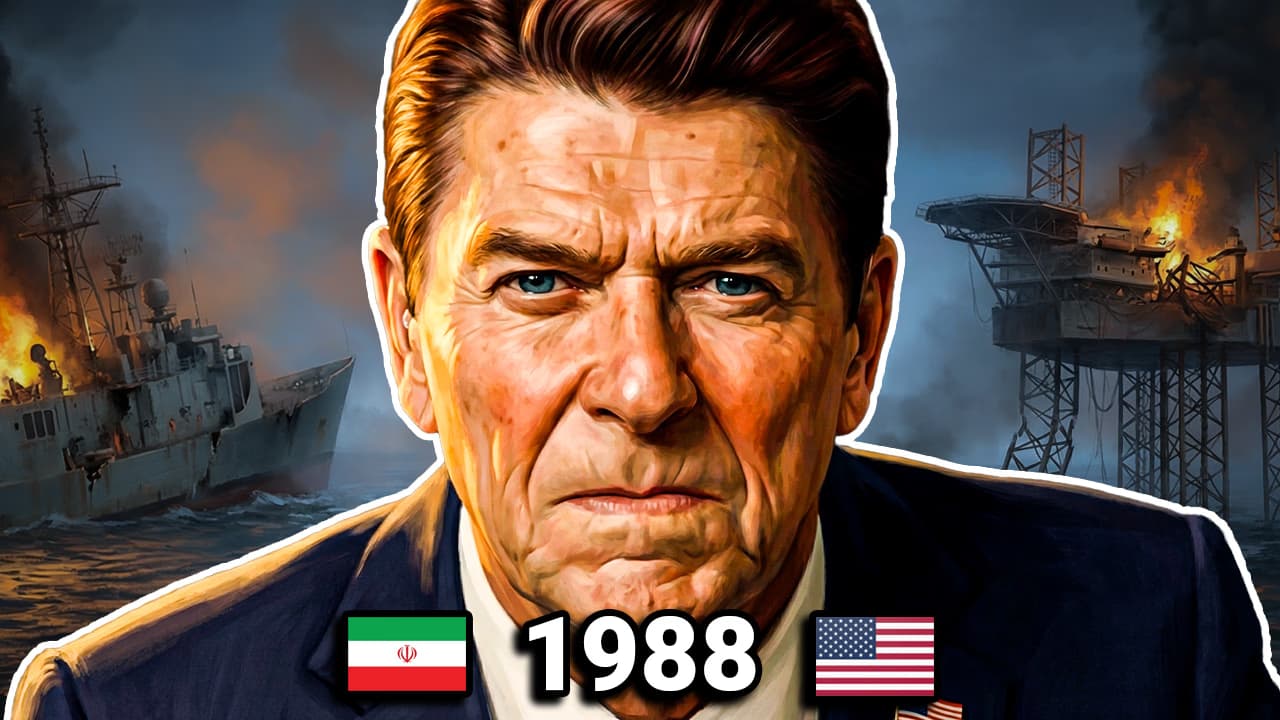
The Blip on the Screen
A green dot climbs on a radar screen. Inside the combat room of the USS Vincennes, the air is cold, the lighting blue-black, and the ship shudders from its own gunfire. Someone calls out a designation: possible F-14, descending. The aircraft is not an F-14. It is not descending. It is a passenger plane carrying families to Dubai -- and the most advanced radar system on Earth is about to tell the crew exactly what it is. They will fire anyway.
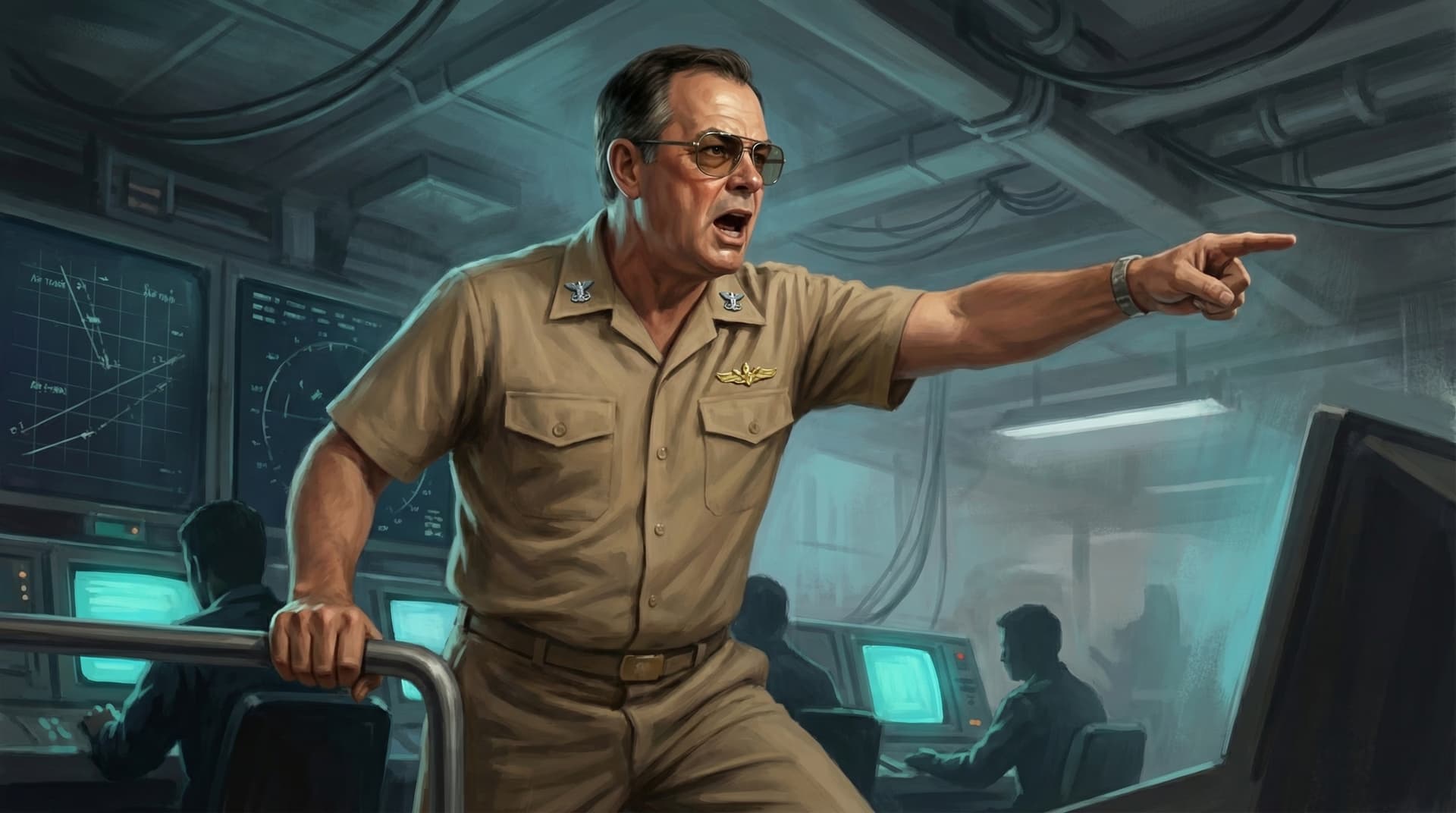
The Vincennes is already in trouble before that dot appears. It is the morning of July 3rd, 1988, and her captain -- William C. Rogers III -- has spent the last hour chasing thirteen Iranian gunboats north through the Strait of Hormuz at thirty knots. The gunboats were circling a German cargo ship, harassing but not attacking -- a routine provocation in these waters. Rogers ordered general quarters and drove straight at them. His superiors had not authorized the pursuit. By 8:48 a.m., naval commanders were ordering the Vincennes south. Rogers ignored them. He chased the gunboats into Iranian territorial waters -- a violation of international law that the Pentagon will later try to conceal.
The fleet knows this captain. Other ships call the Vincennes "Robocruiser" -- partly for her Aegis combat system, which can track hundreds of aircraft simultaneously, and partly for the way Rogers handles her. In war games back in San Diego, he pushed beyond the rules of engagement. Four weeks earlier, he had sailed too close to an Iranian frigate conducting a lawful search, launched his helicopter in violation of separation rules, and opened fire on small Iranian boats. Commander David Carlson, captain of the nearby frigate USS Sides, had watched it all and asked the question other officers were thinking: "Why do you want an Aegis cruiser out there shooting up boats? It wasn't a smart thing to do."
Now Rogers pushes deeper. At 9:43 a.m., the Vincennes and the frigate USS Montgomery open fire on the gunboats, sinking two and damaging a third. The five-inch guns shake the hull. Inside the darkened CIC, the crew is in combat -- the first real surface engagement most of them have ever experienced. Adrenaline floods the room. Screens flicker with data. And then, at 9:47 a.m., the Aegis system picks up a new contact: an aircraft, lifting off from Bandar Abbas airport, fourteen miles away. Bandar Abbas is a dual-use airport. Iranian F-14 Tomcats fly from there. So do commercial airliners. The question that will haunt this story -- that will haunt two nations for decades -- is how the most sophisticated radar system on Earth could not tell the difference.
Seven Minutes
Iran Air Flight 655 takes off from Bandar Abbas at 9:47 a.m., twenty-seven minutes behind schedule. An immigration delay at the gate. The aircraft is an Airbus A300, wide-bodied, carrying 290 people on a routine hop to Dubai -- a trip so short the plane will barely climb to 14,000 feet before it has to descend again. Sixty-six of the passengers are children. Families heading across the Gulf for shopping, for medical appointments, for visits to relatives. The flight is assigned to Amber 59, a twenty-mile-wide commercial air corridor that runs on a direct line to Dubai. The plane's transponder squawks Mode III -- the standard civilian code.
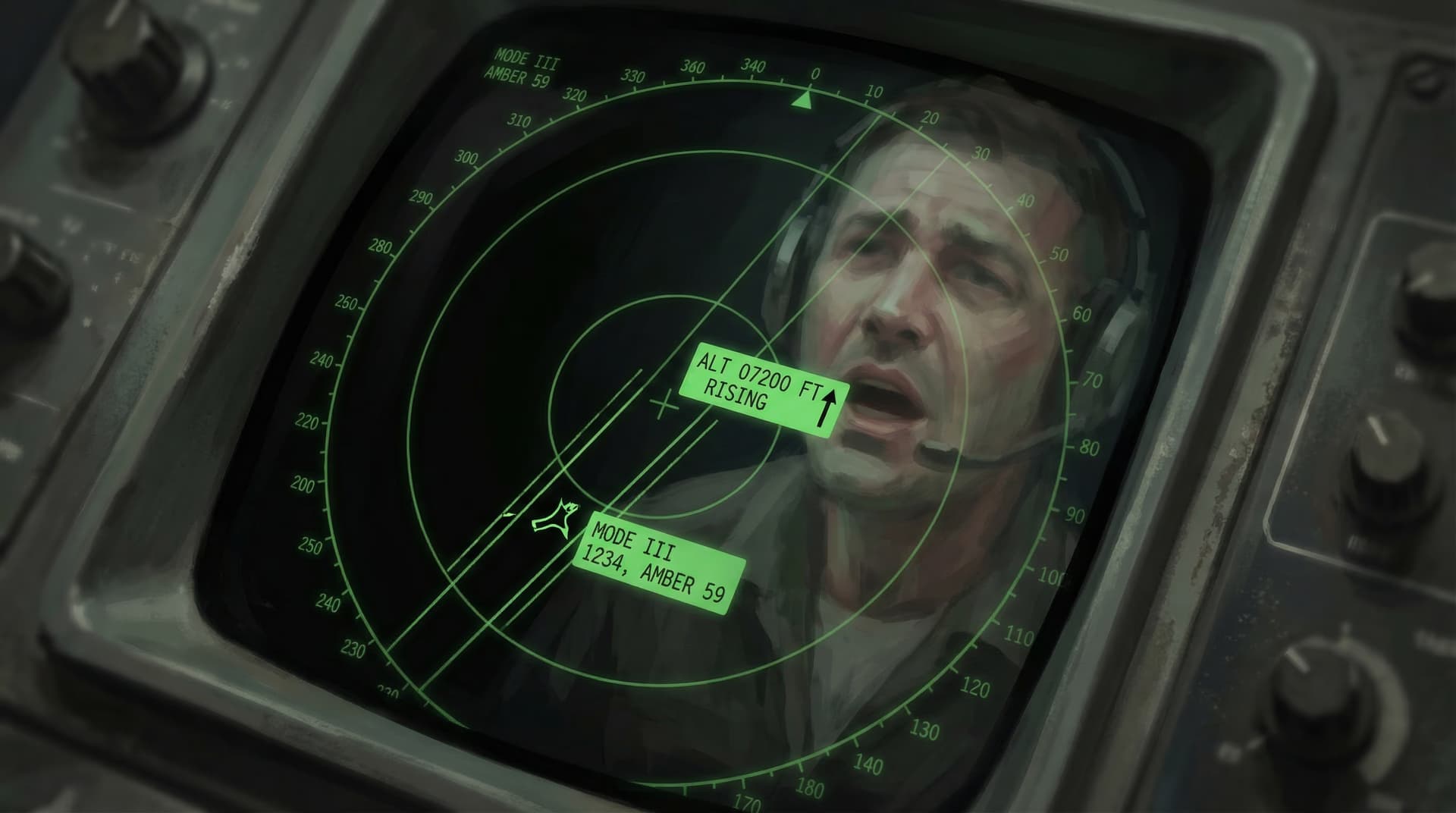
Inside the Vincennes, none of this registers. The CIC is loud with the percussion of the ongoing surface battle, the clatter of radio traffic, the hum of cooling fans struggling against the heat of two dozen electronics stations. The operators have the commercial flight schedules posted somewhere in the room, but the lighting is too dim to read them easily, and there is confusion over time zones -- Bandar Abbas airport uses Iran Standard Time, the Vincennes runs on Bahrain time, and no one in the room stops to reconcile the difference. Someone identifies the radar contact as a possible F-14, descending toward the ship. The Aegis system's own data shows the opposite -- the aircraft is climbing, passing through 7,000 feet, on a standard ascent -- but the operator who reads the screen reports what he expects to see, not what the screen shows. A psychological evaluation will later conclude that stress and combat inexperience caused the crew to unconsciously distort the data in front of them. They saw a fighter because they were looking for a fighter.
The Vincennes issues ten radio challenges. Seven go out on the Military Air Distress frequency -- a channel the airliner's cockpit radio cannot receive. The three sent on civilian frequencies give the aircraft's speed as 350 knots -- the radar's ground speed reading. In the cockpit of the Airbus, Captain Mohsen Rezaian's instruments show 300 knots, his indicated airspeed. If the crew of Flight 655 heard the warnings at all, they would have assumed the Americans were talking to another aircraft -- possibly the Iranian P-3 Orion also departing Bandar Abbas that morning.
One petty officer later told investigators he had doubts -- the contact was climbing, not diving, and it was squarely inside the commercial corridor. He hesitated. But the room was loud, the ship was shuddering from its own guns, and the captain was asking for a recommendation. The petty officer said nothing.
At 9:54 a.m. -- seven minutes after takeoff -- Captain Rogers gives the order. Two SM-2 surface-to-air missiles streak upward from the Vincennes. The first strikes the Airbus twenty-one seconds later, eight nautical miles out. The aircraft disintegrates into three pieces at 13,500 feet and falls into the Strait of Hormuz. There is no distress call. No time for one.
Subscribe to Nightfall History on YouTube
Join our community on YouTube for more historical deep dives and visual storytelling
What the Data Said
The moment the wreckage hits the water, the CIC goes quiet. Commander David Carlson, watching from the USS Sides, is thunderstruck. He has been tracking the same contact. His equipment shows an airliner, climbing, squawking civilian. "I said to folks around me, 'Why, what the hell is he doing?'" Carlson will later recall. "I went through the drill again. F-14. He's climbing. By now this damn thing is at 7,000 feet."
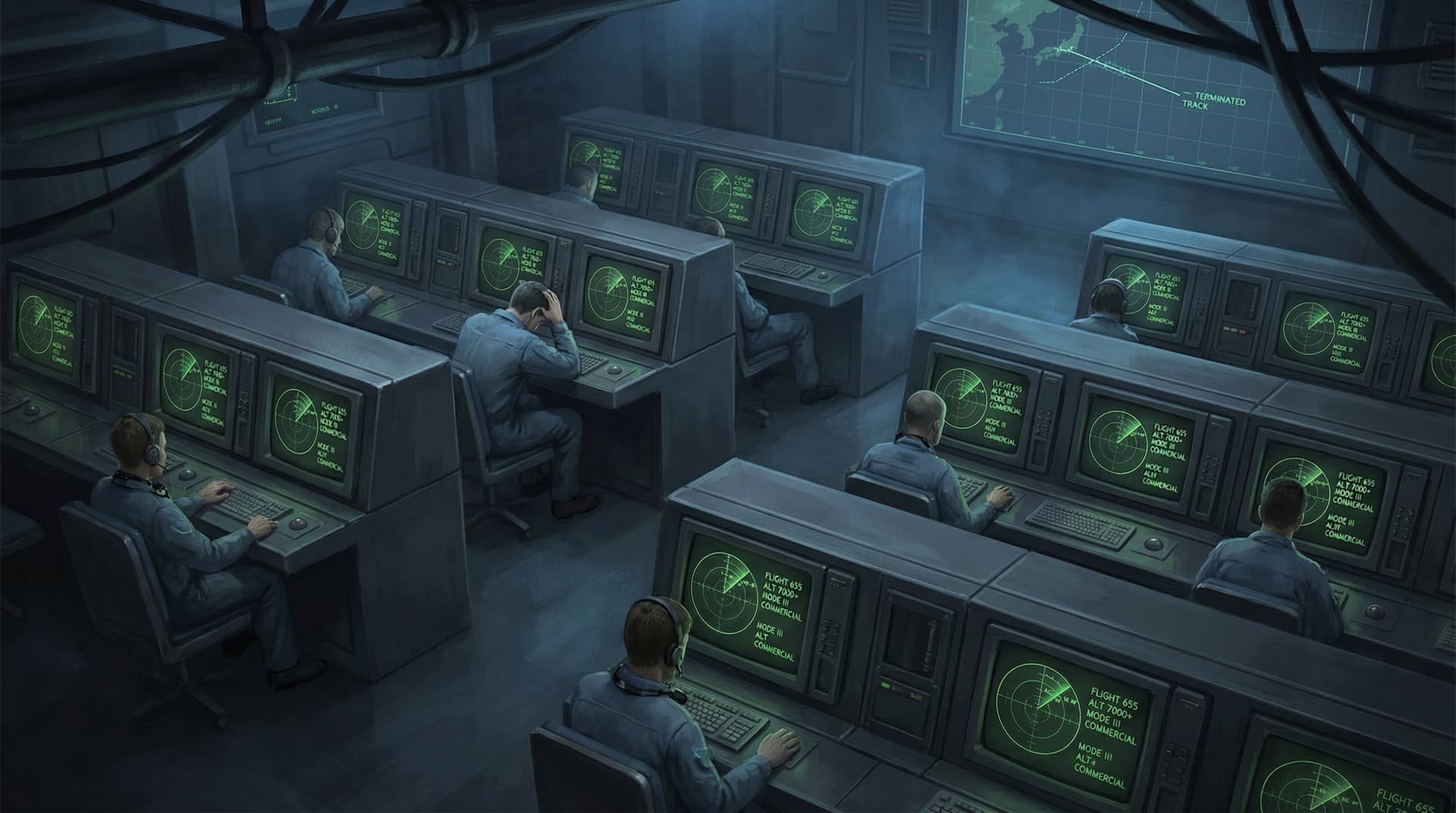
Carlson is not the only one who knows. The Aegis system aboard the Vincennes recorded every data point with mechanical precision. The plane was climbing, not descending. The transponder was Mode III -- civilian -- not Mode II. The flight was squarely inside a recognized commercial corridor. The altitude was consistent with a standard departure from Bandar Abbas. Every piece of electronic evidence says the same thing: the crew got it wrong. The system worked. The humans failed. And the system kept a perfect record of exactly how they failed.
This is the detail that transforms a tragedy into something harder to forgive. The data exists. It has always existed. From the first second to the last, the Aegis system tracked Flight 655 as what it was: a commercial airliner, climbing, on a known route, squawking civilian. The machine saw clearly. The men in the room did not.
Four years later, Newsweek's "Sea of Lies" investigation will reveal what the Pentagon brass understood from the beginning -- that the Vincennes was inside Iranian territorial waters when it fired, that Rogers had disobeyed orders to move south, that the Navy's official account of the incident was built on strategic omissions. The top brass knew, the reporters wrote, that if the whole truth about the Vincennes came out, it would mean months of humiliating headlines. A lawsuit by Iran eventually forced Washington to admit, buried in legal fine print, that the ship was in Iranian waters at the moment of firing. The admission never made headlines.
Stay in the Loop
Get notified when new articles and videos drop. Unsubscribe anytime.
Medals for the Men Who Fired
The recovery boats arrive within the hour. Since the Airbus exploded at altitude, the debris is scattered across miles of open water. Over the following days, Iranian divers recover approximately two hundred bodies from the Persian Gulf. Sixty-six of the dead are children.
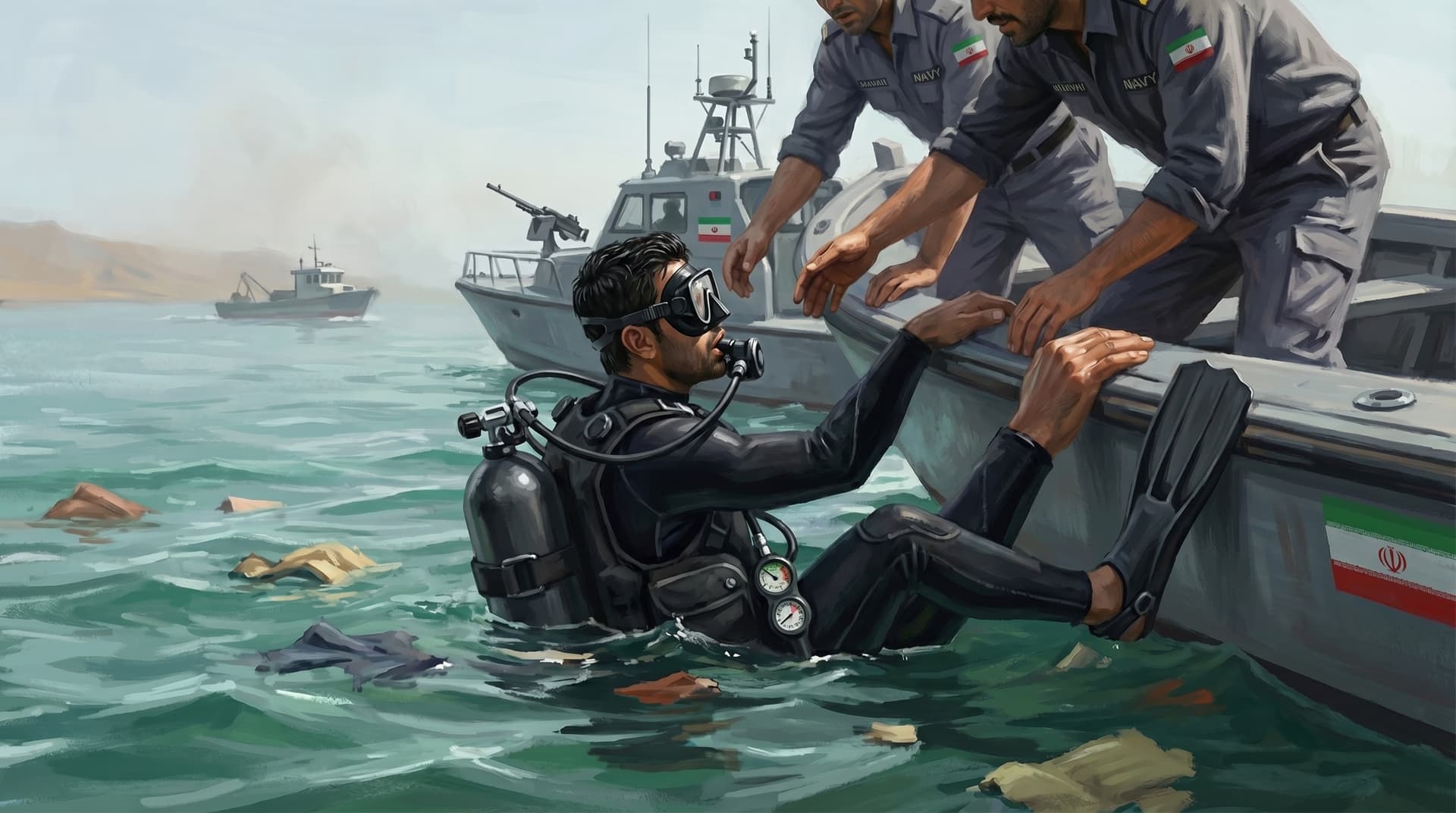
The United States calls it a tragic accident. President Reagan calls it a "terrible human tragedy" and expresses sympathy. The Navy opens an investigation that finds the crew acted reasonably given the information available to them -- the same information the Aegis system recorded as wrong. No one is disciplined. No one is court-martialed. No one loses rank.
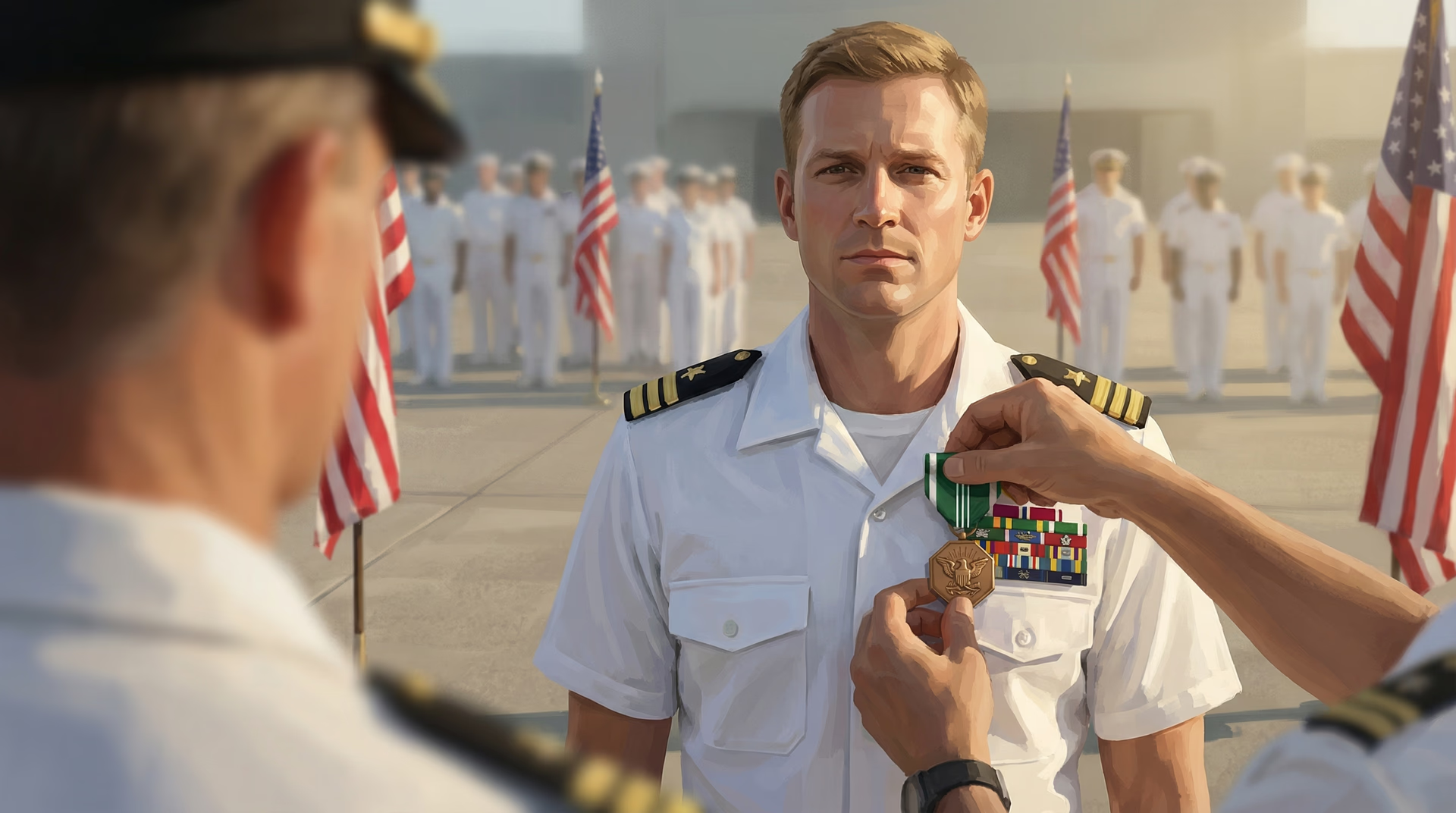
Then the medals arrive. The crew of the Vincennes receive Combat Action Ribbons for serving in a combat zone. Captain Rogers receives the Legion of Merit for "exceptionally meritorious conduct in the performance of outstanding service" during his command -- a citation that does not mention the 290 people his ship killed. The air warfare coordinator who helped misidentify the plane receives the Navy Commendation Medal. The Pentagon insists the awards cover the full tour of duty, not the shootdown specifically. To Iran, and to much of the world, the distinction is meaningless.
Vice President George H.W. Bush, running for president that summer, addresses a crowd at a campaign rally one month after the shootdown. His words become the line that Iranians will quote for the next forty years: "I will never apologize for the United States of America. I don't care what the facts are."
Iran takes the case to the International Court of Justice. Eight years of proceedings produce a settlement in 1996: the United States agrees to pay $61.8 million -- roughly $213,000 per passenger. The payment comes with no formal apology. No admission of wrongdoing. No acknowledgment that the crew made errors the ship's own computers had documented in real time.
The Wound That Never Closed
Two hundred and ninety names. Sixty-six of them children. No apology. No admission of wrongdoing. The crew of the Vincennes received combat medals. The Iranians received a check.
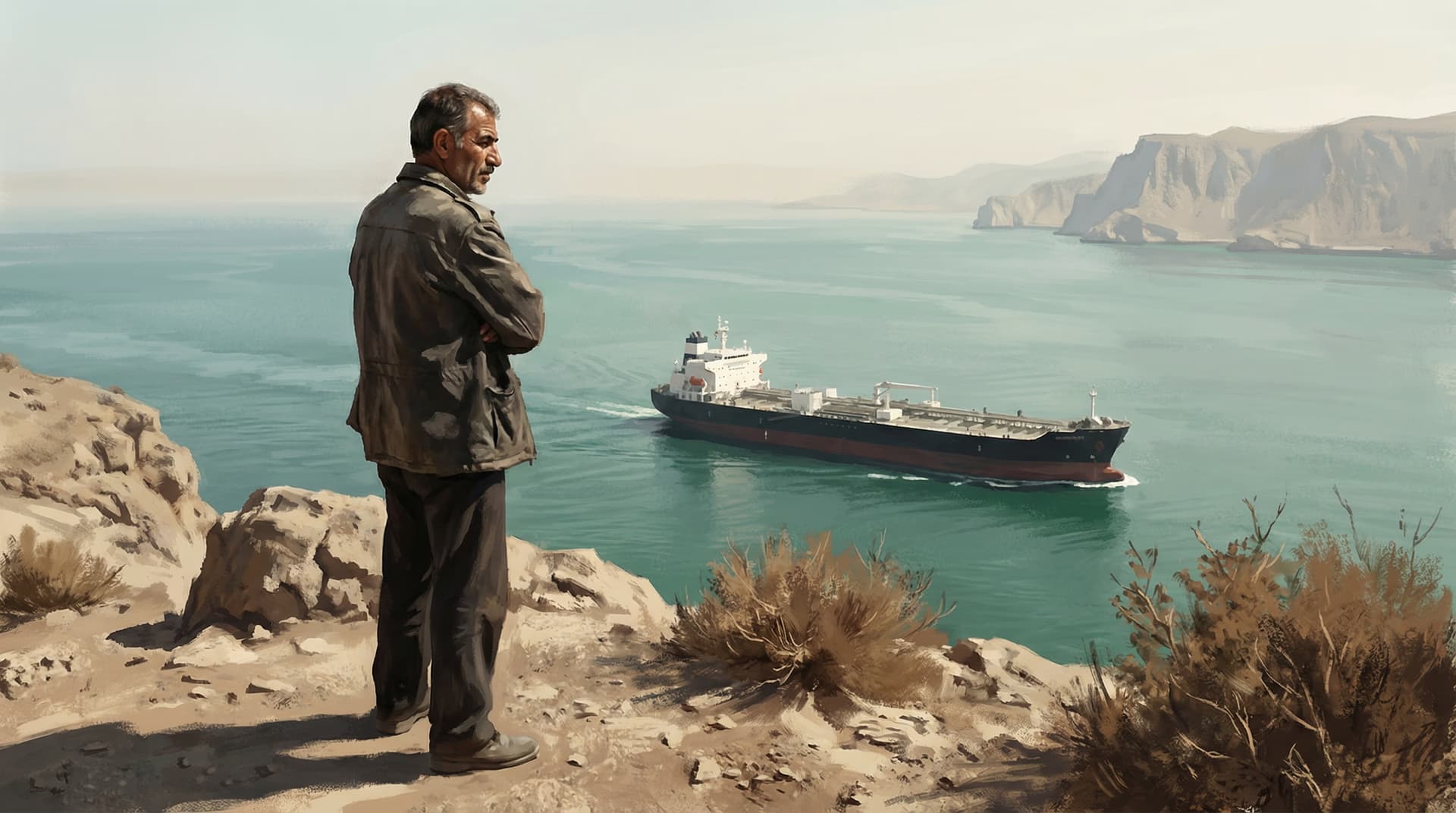
Every year on July 3rd, Iran drops flowers into the Strait of Hormuz where the bodies fell. The ceremony is broadcast on state television. Schoolchildren learn the names. The date sits alongside the 1953 CIA coup and the eight-year war with Iraq in a national catalogue of grievances that no Iranian government -- moderate or hardline -- has ever been willing to forget.
Five months after Flight 655 fell from the sky, Pan Am Flight 103 exploded over Lockerbie, Scotland, killing 270 people. A former Iranian intelligence officer later claimed that Iran ordered the bombing in retaliation -- that the instruction was to "copy exactly what happened to the Iranian Airbus. Everything exactly the same, minimum 290 people dead." Western investigators pinned Lockerbie on Libya. The full truth remains one of the most contested questions in modern intelligence history.
A green dot climbed on a radar screen. The system saw a passenger plane. The men in the room saw a fighter jet. And the country behind them decided that saying sorry was more dangerous than staying silent. When Iranian leaders talk about American cruelty, this is what they mean. When they say America cannot be trusted, this is what they remember. It is the wound that never closed.
But Iran's fury at foreign powers -- at empires that treat it as a chess piece on someone else's board -- did not begin with an airliner falling from the sky. It did not begin with a CIA coup or a reflagged tanker convoy. It began five hundred years ago, when a fleet of wooden ships sailed into the Strait of Hormuz and a Portuguese admiral decided that this waterway -- and everything that passed through it -- now belonged to him.