
The year was 814, and the news arrived on salt wind and funeral smoke: Charlemagne was dead.
Ragnar stood on the Danish shore, barely twenty-five summers old, watching the horizon as if he could see the Frankish empire cracking like ice in spring. Around him, other warriors celebrated. The boot was lifted from the North's throat. But Ragnar wasn't celebrating.
He was calculating.
Act I: The Wolf Learns to Hunt
"What do you see?" asked Horik, King of the Danes, who'd come to stand beside his youngest raid leader.
"Opportunity, lord king."
Horik laughed. "The empire will pass to his son Louis. Nothing will change."
"Everything will change," Ragnar said quietly. "Strong fathers rarely make strong sons."
For years, the young Dane studied the Franks the way a wolf studies sheep--from a careful distance, noting every weakness. Captured merchants revealed trade routes under interrogation. Ransomed priests babbled about holy days and treasures. Slaves who'd worked Frankish fields whispered of harvest times and garrison schedules. Each piece of information more valuable than silver. Dorestad moved its treasury every autumn. The Seine ran deepest in March. Paris kept its gold in churches, not palaces.
By 841, something unprecedented occurred--Charles the Bald granted Ragnar lands in Flanders, using him as a buffer against other Viking raids. Not through deception, but through being the devil Charles knew. The arrangement was transparent. Charles knew Ragnar was a wolf. Ragnar knew Charles knew. But as long as Viking ships attacked Charles's enemies more than his friends, the fiction held.
Then came 845. Some dispute over Frisian merchants. The arrangement shattered.
Word spread across the Viking world from Ragnar's own lips: "Paris sits fat on the Seine. Who wants to get rich?"
One hundred and twenty ships answered. Five thousand warriors.
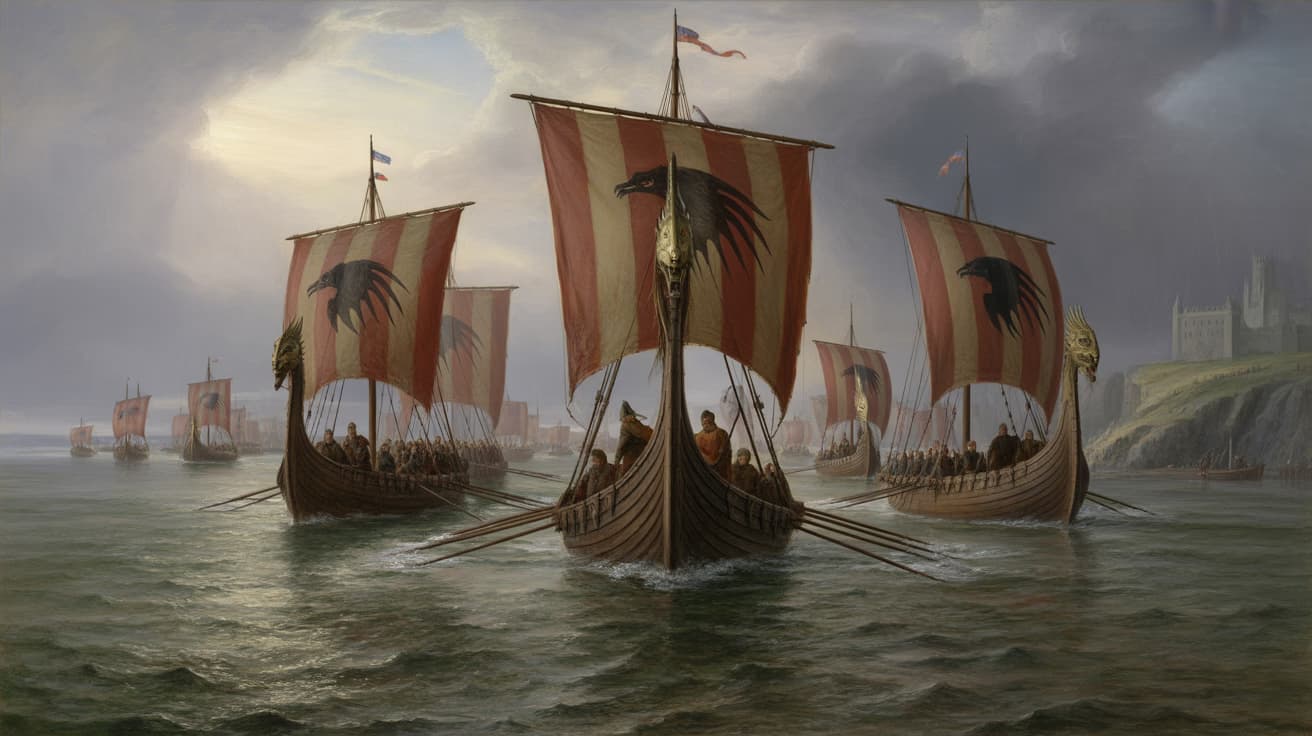
On a morning in late March, when fog hung thick as wool over the Seine, the river became grey silk, and dragon heads emerged from mist. One after another after another.
Charles split his army--both banks, textbook perfect. The western force was smaller. Ragnar struck like an avalanche. The battle lasted less than an hour.
Then came the moment that would echo through nightmares.
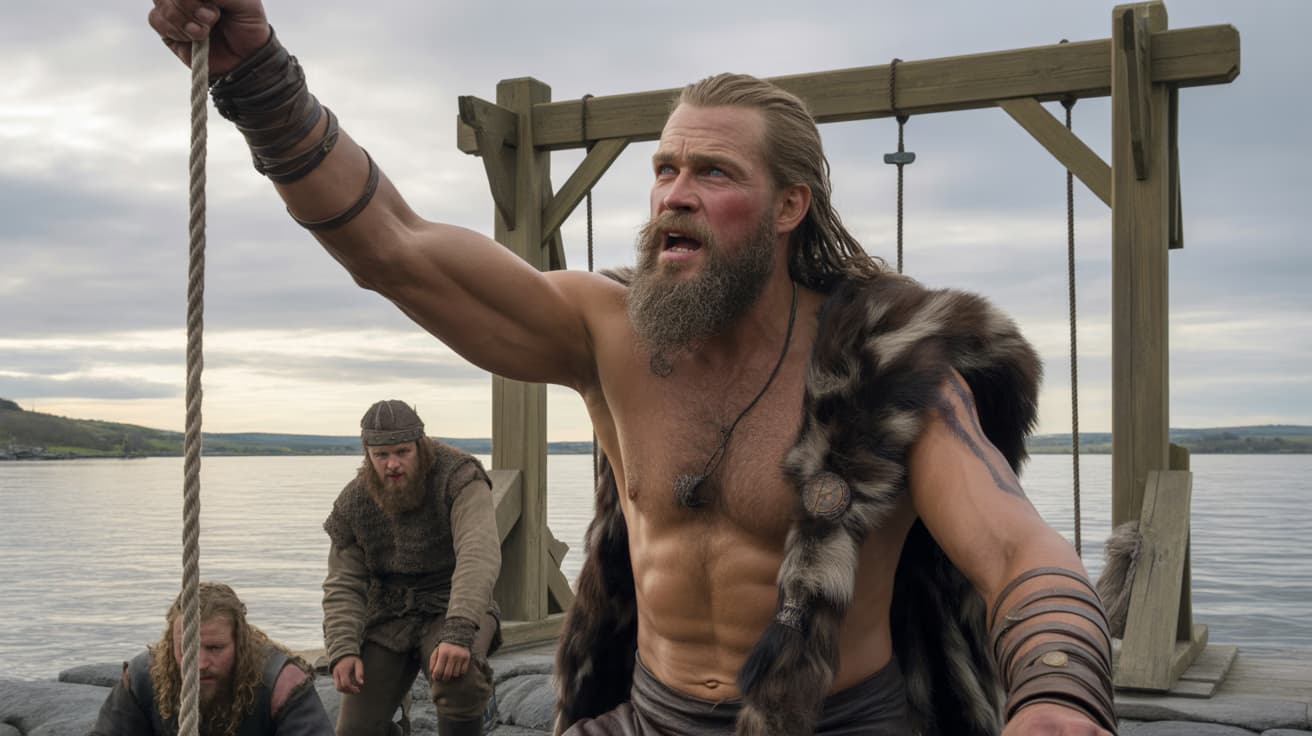
On an island in the middle of the Seine, in full view of Charles's army, gallows rose from the earth. One hundred and eleven of them. The Viking leader performed the sacrifices himself, his voice carrying across water:
"Your White Christ hung on wood. Today, you hang for Odin."
The last was a young priest, hands steady even as Ragnar fitted the rope.
"God sees what you do," the priest said.
Ragnar leaned close. "Good. I want to be remembered."
Subscribe to Nightfall History on YouTube
Join our community on YouTube for more historical deep dives and visual storytelling
Tomorrow was Easter Sunday.
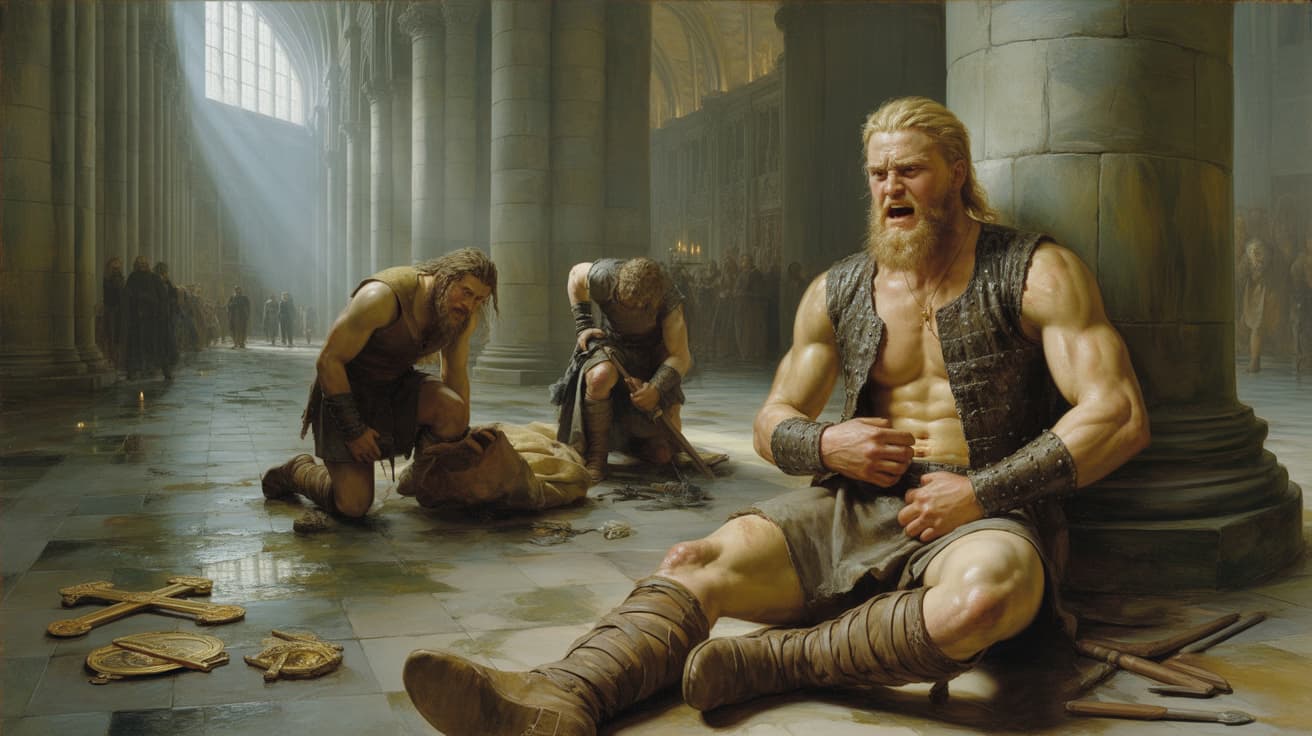
When Easter morning arrived dressed in church bells and spring sunshine, Christians sang of resurrection while Vikings gave them something else. They struck Saint-Etienne, the ancient cathedral where Frankish kings had prayed for centuries. Inside its shadowed vault, candlelight flickered off golden crosses. Warriors worked like harvesters--altar cloths into sacks, silver vanishing, jeweled reliquaries torn open.
Then the smell began. Sweet rot. Human waste.
Warriors collapsed, bowels voiding. Within hours, a third of the army writhed in their own filth. Dysentery. Divine punishment, the Christians would say.
Charles's messenger arrived with an offer: 7,000 pounds of silver to leave.
"Your god fights with different weapons," Ragnar told the bishop, touching Frankish silver. "But silver is silver."
As longships pulled away from Paris, heavy with treasure but light two thousand men, their leader stood at the stern. Victory was his. Warfare as extortion--his invention. But something sat wrong in his chest--a silence where triumph should sing.
He'd traded honor for gold and found both wanting.
Act II: The Crown of Thorns
But victory's gold soon turned to rust. That summer, when Ragnar returned to Denmark, King Horik's hall had never felt colder.
"Show me," Horik commanded.
They brought the gold. Chest after chest, silver spilling like water. With each chest, the king's expression hardened.
"The largest Viking army ever assembled," Horik said slowly. "Five thousand men who call you leader. Not me."
"They followed me to glory, lord king. Glory for Denmark."
"They followed you. That's the problem."
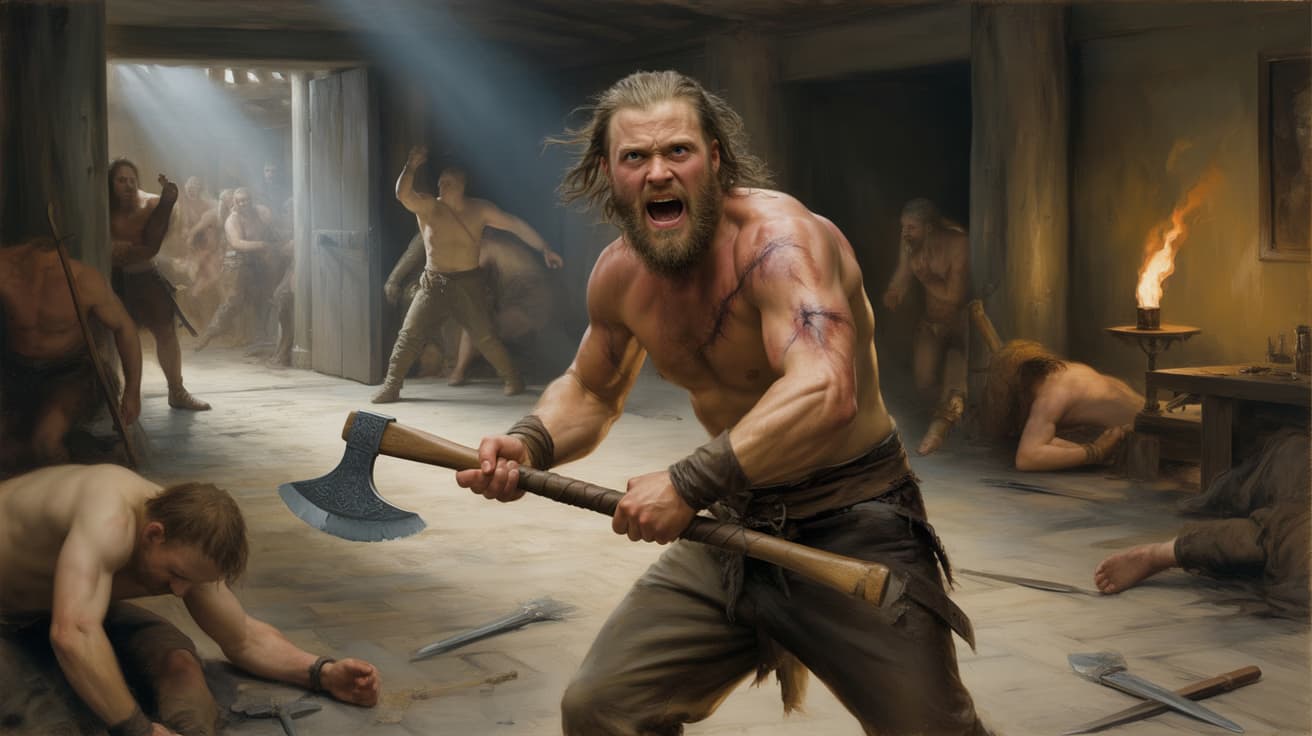
That night, death screams woke the Paris veterans. Not battle cries--murder. Horik's guard moved through sleeping quarters, slitting throats. Men who'd conquered Paris were being slaughtered in their beds.
Fighting his way to the great hall, Ragnar found Horik watching with the detachment of a man watching rain.
"Why?" Ragnar demanded, blood on his hands, fury in his voice.
"Listen to them sing your name in the mead halls," the king said. "Watch them look at you when they should look at me. You return with more gold than I've gathered in twenty years, and suddenly every young warrior dreams of being Ragnar, not of serving Horik."
"These men bled for that gold!"
"And now they bleed for my crown's safety. You've grown too powerful, Ragnar. When a wolf grows larger than its pack leader, there can be only one outcome."
Stay in the Loop
Get notified when new articles and videos drop. Unsubscribe anytime.
By dawn, six hundred Paris veterans lay dead. Their treasure divided among Horik's loyal thanes--payment for their silence, bonds of blood and gold.
A father's hand touched Ragnar's shoulder. "You could have been my greatest warrior, content with glory and silver."
Blood pooled between the rushes. The silence was deafening. "Content? I conquered Paris while you counted sheep in Denmark."
"Exactly. That's why you have to go. Take your thirteen ships, take whoever still breathes, and never return. Be grateful I'm giving you even that."
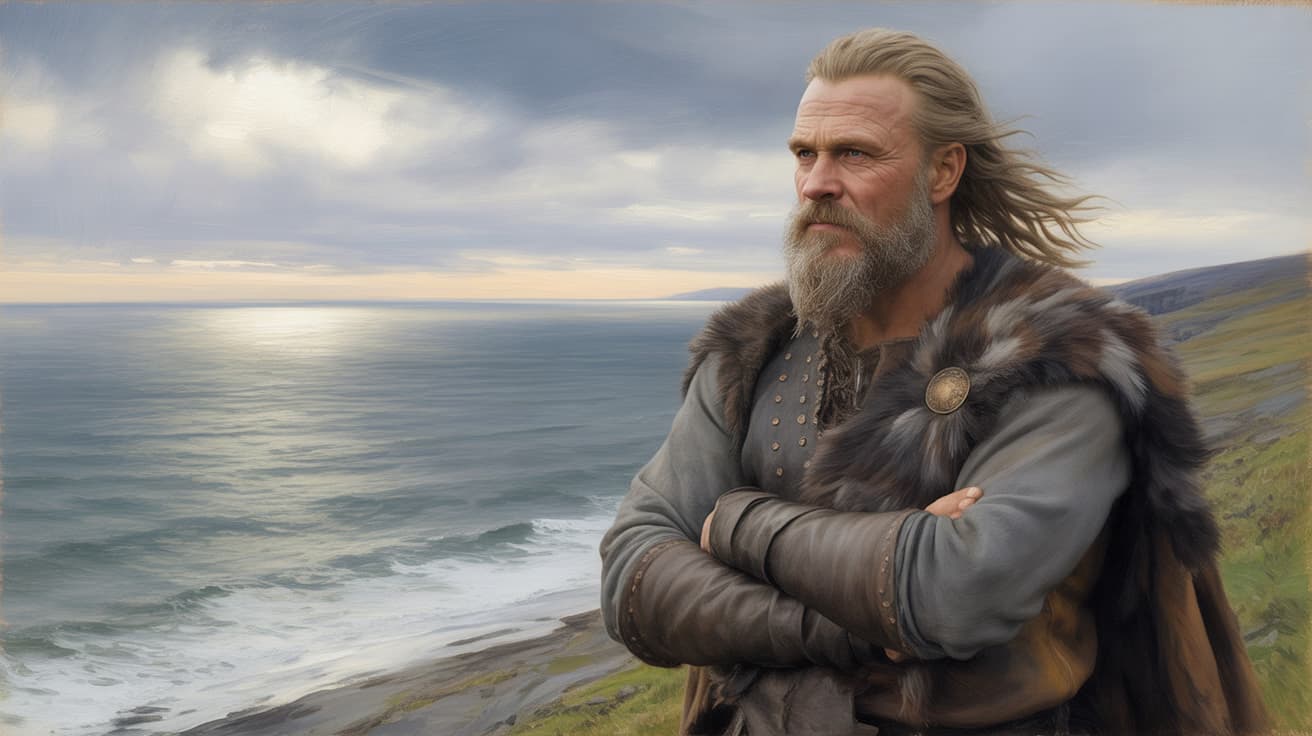
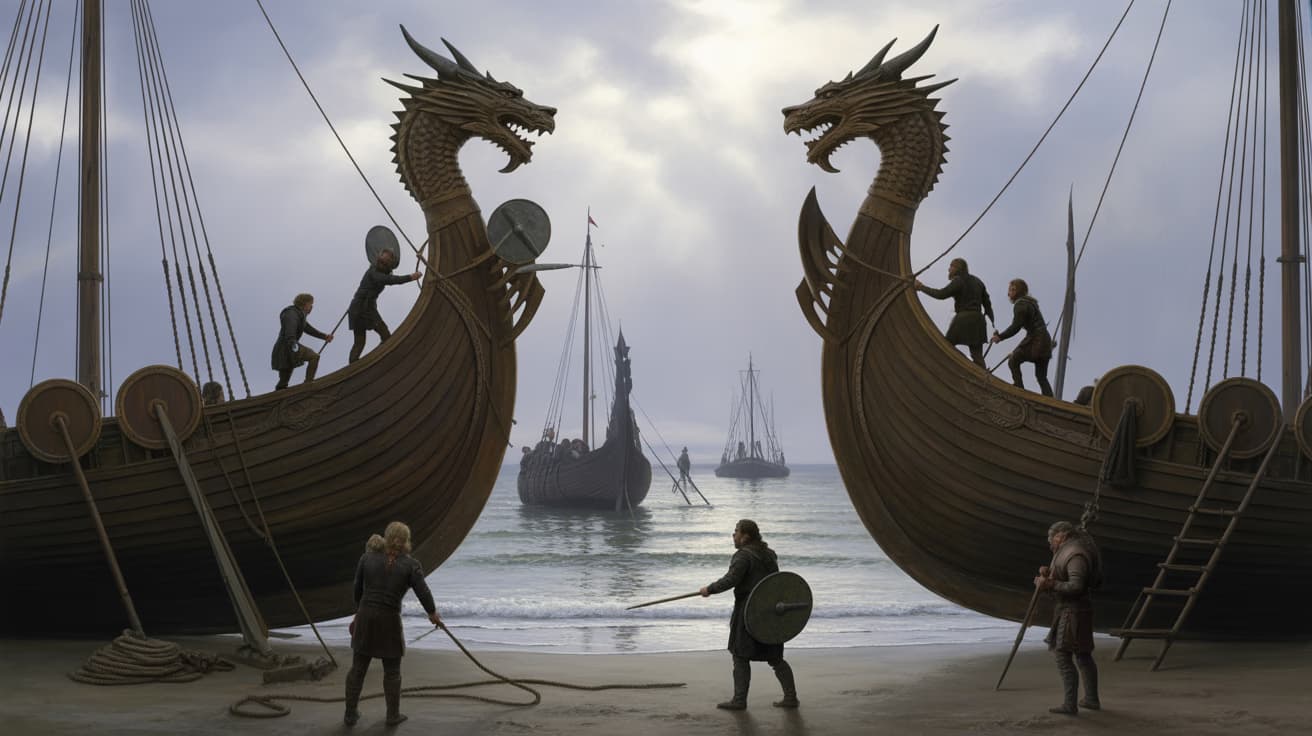
Thirteen ships left that night. As his vessel pulled from Danish shores, Ragnar made a vow: never again would he kneel to another king.
The man who'd conquered Paris was dead. What emerged from that silent, bloodied hall was something else entirely.
Act III: The Last Laugh
Years rolled into decades, and Ragnar's name became legend. Twenty winters passed, kingdoms turned to dust. The pirate had become less man than force of nature. A shadow that fell across Christian Europe.
His sons--Ivar the Boneless, Bjorn Ironside, Ubba, Halfdan, Sigurd Snake-in-the-Eye--grew to manhood on blood-slicked decks, raised on stories of Paris and betrayal.
The final voyage began with just two ships. Not from poverty--hundreds would have followed--but from something deeper. Past sixty summers now, his legend so vast reality could never match it.
"Why risk everything with so few?" Ivar asked.
A tired smile crossed the old warrior's face. "Because I'm tired of being a story. I want to be a man again, if only for one last raid."
The storm hit off Northumbria like the world ending. Ship timbers shattered. Cold water rushed over everything. Those legendary trousers became anchors, dragging him down.
In the year 867, in the city of York, King Aella studied his prisoner carefully. "You're smaller than the stories claim."
"All men shrink before death, lord king. Even you."
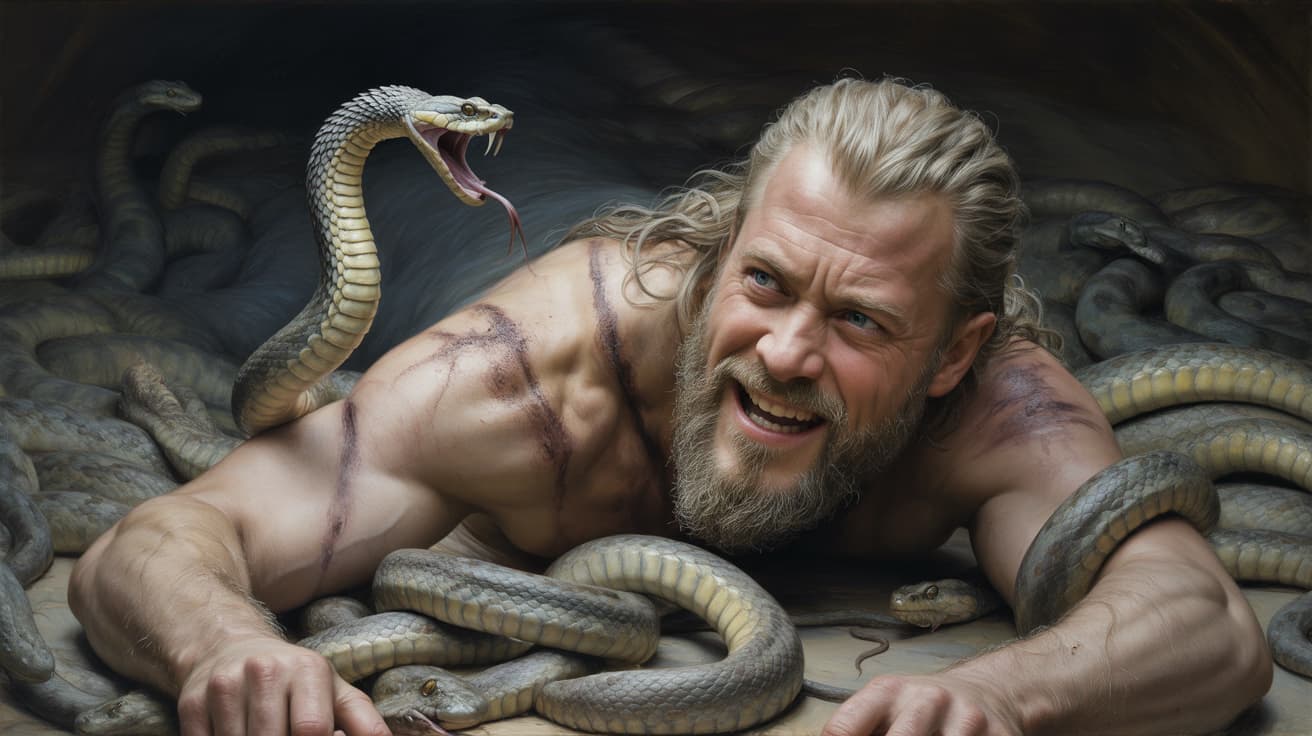
The snake pit waited. When they first threw him in, serpents struck and struck, but couldn't pierce his trousers. Furious, Aella had him stripped and thrown back.
Naked now. Truly naked.
The first bite was almost gentle. Then came more. Venom like liquid fire.
But no screams came. Only song:
"Gladly shall I drink ale in Odin's hall, The days of my life are ended. I laugh as I die."
And then, with his last breath:
"How the little piggies will grunt when they hear how the old boar suffered!"
Death came with laughter. The guards swore it echoed even after his heart stopped, bouncing off stone walls like a curse being born.
Two decades passed before the world felt his full echo. The story had spread like plague across the Norse world.
In Dublin, Ivar heard it from an Irish trader. In the Mediterranean, Bjorn learned it from a captured monk.
Year by year, the legend grew. Warriors who'd never met Ragnar claimed him as father. His death became a rallying cry, festering in the hearts of a generation.
When the Great Heathen Army finally landed in 865, it wasn't just vengeance--it was an entire generation raised on the story of the laughing king in the snake pit.
They saved Aella for last. When York fell two years later, they took him alive.
"Your father died twenty years ago," Aella said. "This vengeance is cold."
"Viking vengeance is patient," Ivar replied softly. "We wanted you to think you'd won. Our father knew his death would bring this moment. That's why he laughed."
They opened him to the sky. Breath still catching as ribs spread like wings.
England burned. The Danelaw carved from Saxon flesh.
All because one king thought a snake pit would end a legend, not knowing that legends don't die--they multiply.
Eight hundred years later, we still tell Ragnar's story. Not because he lived without fear, but because he died laughing.